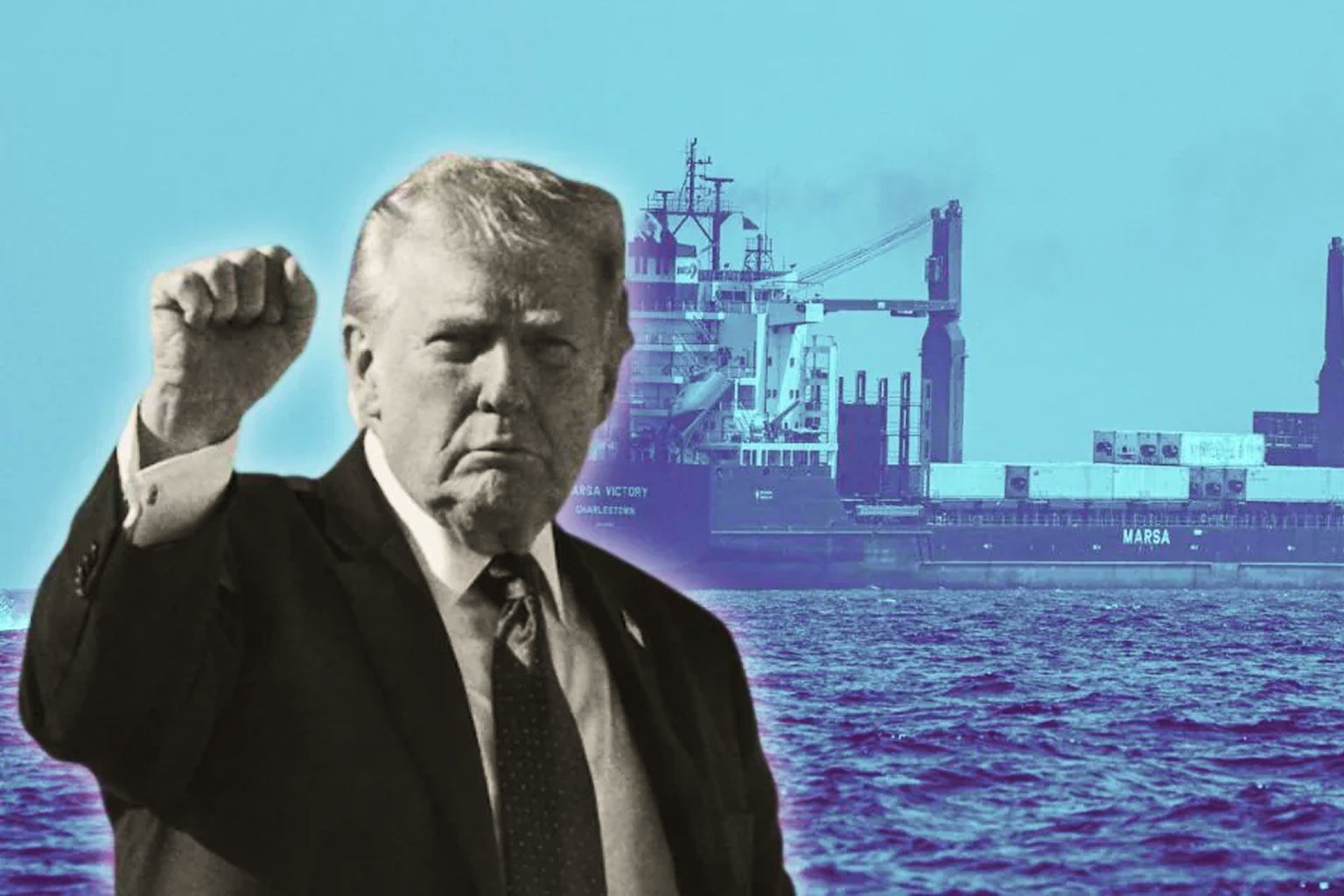
President Donald Trump is currently dealing with a major crisis involving Iran and the Strait of Hormuz. As the conflict continues, he is looking for a quick solution. However, his methods keep changing. He has tried asking for diplomatic help. He has tried removing some oil sanctions. Now, he is making direct threats. He is warning that the United States will attack civilian power plants in the Islamic Republic.
The Ultimatum and Criticism
Trump recently gave Iran a strict 48-hour deadline. He said they must open the crucial waterway. If they refuse, he threatened to destroy the country’s largest power plants. Critics say this shows a lack of planning. They believe he started a conflict without knowing how to end it safely.
Senator Ed Markey from Massachusetts stated Trump has no real plan to reopen the strait. Markey warned that attacking civilian power plants is a war crime. Senator Chris Murphy from Connecticut agreed with this assessment. He said the president is panicking and losing control of the war.
Economic Pressure and Changing Tactics
Time is running out for the administration. Global oil prices are rising fast. This is hurting stock markets worldwide. It is also costing American drivers much more money at the gas pump. This economic stress is happening just months before important midterm elections.
Because of this pressure, Trump’s strategy has shifted several times in just one week. First, he tried a diplomatic approach. He asked other countries to form a new international coalition to send warships to the strait. Allied nations turned him down. After that rejection, Trump claimed the U.S. could handle the problem alone. But hours later, he changed his mind again. He said other nations need to take over the responsibility. He even suggested the waterway would somehow open on its own.
Senator Thom Tillis of North Carolina criticized this sudden shift. He stated that the U.S. cannot simply walk away from a crisis it helped create and expect other people to fix it.
Sanctions and Oil Prices
In another attempt to lower gas prices, the U.S. Treasury Department made a surprising move. They lifted sanctions on some Iranian oil. This is something Washington has not done in decades. The goal was to push millions of extra barrels of oil into the global market.
Usually, the U.S. uses these sanctions to keep pressure on Tehran. Now, it is unclear if this move will actually lower pump prices. It is also unclear how the U.S. will stop Iran from profiting from these renewed sales. Previously, the administration also temporarily lifted some sanctions on Russian oil to help the market.
The Threat to Civilian Infrastructure
Trump issued his latest threat while spending the weekend in Florida. This threat is much more aggressive than his past statements. Before, he focused on successful strikes against military targets. He talked about hitting Iran’s air force, navy, and missile factories. Now, the target is the energy grid. This infrastructure provides electricity to civilian hospitals and regular homes.
Trump posted this threat on social media. The message was only 51 words long, and much of it was typed in capital letters. Legal experts say it does not look like a carefully planned military order. Geoffrey Corn, a law professor and retired military lawyer, described Trump’s approach as “ready, fire, aim.” Corn noted that the president overestimated his ability to control the violence once it started.
Corn also warned that such a widespread attack would likely be a war crime. It puts military leaders in a terrible position. They would have to choose between following a presidential order or breaking international law. The rules of war are meant to protect civilians. Attacking power plants is only allowed if the military benefit heavily outweighs the harm to innocent people.
International Backlash and Defenses
Iran’s United Nations ambassador reacted quickly. He sent a warning letter to the U.N. Security Council. He stated that targeting power plants is indiscriminate and a clear war crime. The White House is already dealing with heavy backlash. Recently, the U.S. was blamed for a missile strike on an Iranian elementary school that killed more than 165 people.
Despite this, Trump’s aides are defending his new threat. Trump stated the U.S. will strike various power plants, starting with the biggest one first. Mike Waltz, the U.S. ambassador to the U.N., supported this tactic. Waltz said Iran’s Revolutionary Guard controls the power grid and uses it for their war effort. He suggested gas-fired thermal power plants are fair targets. Waltz dismissed concerns from the global community, insisting the president is not messing around.
Allies and Consequences
Other global allies are trying to calm the situation. Mark Rutte, the secretary-general of NATO, said he understands Trump’s anger. Rutte claimed more than 20 countries are working together to make the strait safe again.
Meanwhile, Israel expressed concern. Yechiel Leiter, Israel’s ambassador to Washington, warned against destroying Iran’s infrastructure. He argued that the country needs to stay intact so future governments can rebuild.
Ultimately, Trump’s harsh threat might backfire. Iranian leaders responded with their own warning. If the U.S. attacks their power plants, they will close the strait completely and retaliate against American and Israeli infrastructure.
Conclusion
President Trump’s rapidly changing strategy regarding the Strait of Hormuz highlights a highly volatile geopolitical crisis. His approach has jumped from seeking diplomatic coalitions to easing long-standing oil sanctions, and finally to issuing severe military ultimatums. The recent threat to target Iran’s civilian power infrastructure has drawn sharp criticism from lawmakers and legal experts, who warn of potential war crimes and the lack of a clear exit strategy. While the administration defends these aggressive tactics as necessary to pressure Iran and stabilize global markets, international allies urge caution. With Iran threatening total closure of the strait in retaliation, the situation remains dangerous, leaving the global economy and Middle Eastern security hanging in the balance.