Putin Deploys Advanced Weapons System Near Polish Border in Strategic Intimidation Campaign
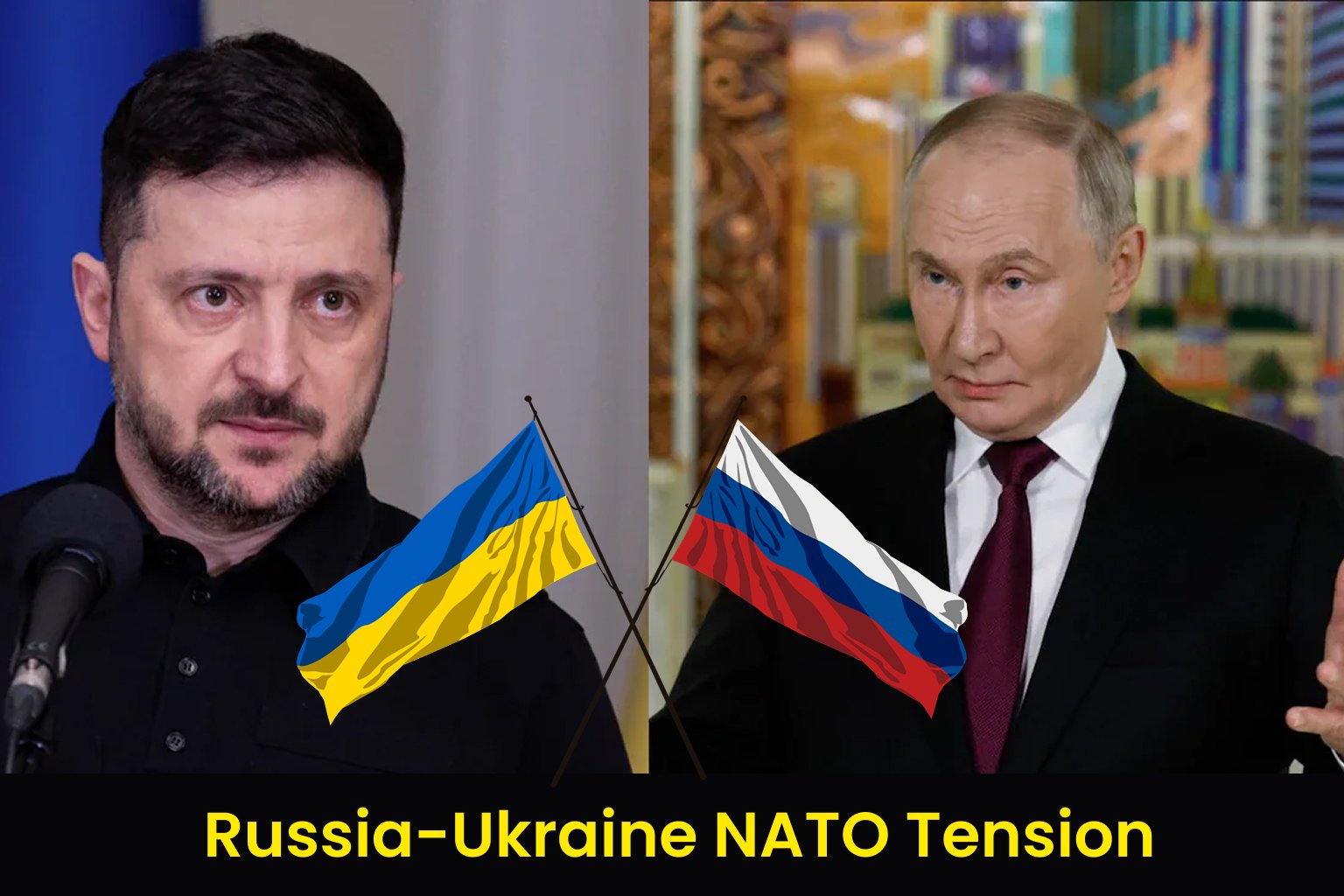
Russia has escalated its military campaign against Ukraine by launching its second Oreshnik hypersonic missile strike, targeting critical infrastructure near the NATO-member Poland border. This calculated assault has intensified Russia-Ukraine NATO tension and prompted widespread condemnation from European allies who view the attack as a deliberate attempt to intimidate Western support for Ukraine.
Devastating Night of Coordinated Attacks Claims Lives in Kyiv
The overnight assault marked only the second deployment of Russia’s advanced Oreshnik hypersonic missile system against Ukrainian targets. During this coordinated attack, Russian forces launched 242 drones and 36 missiles, resulting in four civilian deaths in Kyiv, widespread power outages across the capital, and significant damage to the Qatari embassy.
Among the casualties, emergency medic Serhiy Smoliak, 56, lost his life while responding to survivors at a suburban apartment complex hit by a drone. The follow-up strike that killed Smoliak also wounded four additional medics and five rescue workers, demonstrating Russia’s systematic targeting of first responders.
Advanced Oreshnik Technology Poses Continental Threat
The Oreshnik hypersonic missile strike utilized an intermediate-range ballistic missile (IRBM) capable of carrying nuclear warheads, though Ukrainian officials confirmed this deployment featured inert “dummy” warheads. Moscow claims the weapon system operates at unprecedented speeds of 13,000 kilometers per hour and remains impossible to intercept using current defense technologies.
Senior Ukrainian officials reported that the missile struck a state enterprise workshop in Lviv, near the Polish border. The impact created multiple submunition penetrations through concrete structures and formed significant craters in surrounding forest areas.
European Leaders Condemn Escalation as Global Security Threat
The latest Oreshnik hypersonic missile strike has amplified Russia-Ukraine NATO tension, prompting swift condemnation from European leadership. EU foreign policy chief Kaja Kallas characterized the attack as “a clear escalation against Ukraine and meant as a warning to Europe and to the U.S.”
Ukrainian Foreign Minister Andriy Sybiha emphasized the strike’s proximity to EU and NATO borders poses “a grave threat to security.” He dismissed Moscow’s justification for the attack, stating: “Putin uses an IRBM near EU and NATO border in response to his own hallucinations — this is truly a global threat.”
President Volodymyr Zelenskiy warned neighboring nations that the missile deployment represents an equal threat to capitals across Eastern Europe, including Warsaw, Bucharest, and Budapest.
Germany Leads Unified European Response
German Chancellor Friedrich Merz coordinated with French and British leaders, declaring: “Threatening gestures are intended to instill fear, but they will not work. We stand with Ukraine.” This unified stance demonstrates European resolve despite escalating Russia-Ukraine NATO tension.
EU officials have demanded member states “dig deeper into their air defense stocks and deliver now” while implementing “tougher sanctions” to increase the war’s cost for Moscow.
Moscow’s Disputed Justification for Hypersonic Attack
Russia claims the Oreshnik hypersonic missile strike responded to an alleged Ukrainian drone attack on Putin’s residence in December. However, Ukraine categorically denies this incident, with officials calling it “an absurd lie” designed to sabotage peace negotiations.
U.S. President Donald Trump has publicly stated his disbelief in the alleged attack, further undermining Moscow’s justification for escalating military actions near NATO borders.
Infrastructure Damage Cripples Civilian Services
The comprehensive assault disrupted electricity for over half a million homes across Kyiv, with temperatures dropping to -10 Celsius (14°F). Mayor Vitali Klitschko reported restoration of heating to nearly 1,100 apartment buildings out of 6,000 affected structures.
Prime Minister Yulia Svyrydenko confirmed repair crews work continuously to restore essential services while residents shelter underground using mattresses, chairs, and blankets for warmth and protection.
Strategic Timing Amplifies International Pressure
The Oreshnik hypersonic missile strike occurred following a European summit where nations pledged troop deployments for Ukraine during potential ceasefire scenarios. This timing intensifies Russia-Ukraine NATO tension as Moscow views foreign military personnel as legitimate combat targets.
British Defense Minister John Healey visited Kyiv to discuss potential future deployments, demonstrating continued Western commitment despite Russian intimidation tactics.
Broader Implications for Regional Security
Military analysts interpret the latest Oreshnik hypersonic missile strike as strategic intimidation during crucial war negotiations. The attack follows a challenging week for Russia, including setbacks involving Venezuelan President Nicolas Maduro, a key Putin ally.
The deployment of hypersonic weapons near NATO borders represents a significant escalation in Russia-Ukraine NATO tension, forcing Western allies to reassess defensive capabilities and response strategies.
International Diplomatic Fallout Continues
Qatar’s embassy sustained damage during the coordinated attack, though officials confirmed no injuries occurred. As an occasional conflict mediator, Qatar’s facility damage may impact future diplomatic initiatives.
The systematic targeting of civilian infrastructure, combined with advanced weapons deployment near NATO borders, demonstrates Russia’s calculated strategy to pressure European support for Ukraine while testing Western resolve.
This escalating Russia-Ukraine NATO tension, highlighted by the second Oreshnik hypersonic missile strike, represents a critical juncture requiring coordinated international response to maintain regional stability and support Ukrainian sovereignty.