Movement Snacking Throughout the Day
The Science Behind Natural Weight Loss
Understanding Your Body’s Natural Weight Regulation
Your body has a sophisticated system for managing weight that works without your conscious effort. Two key hormones—leptin and ghrelin—play crucial roles in this system.
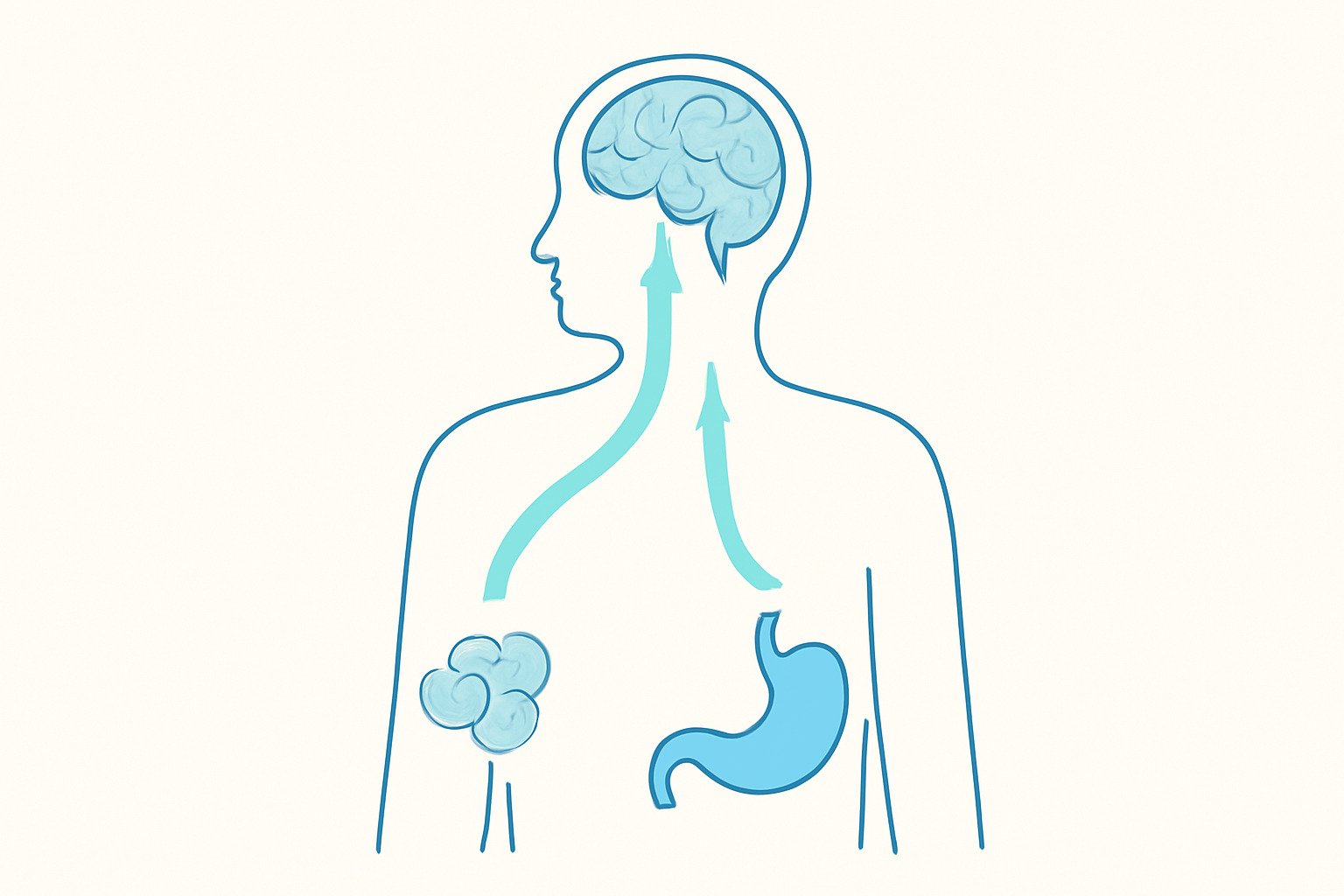
Leptin, produced by fat cells, tells your brain when you’ve had enough food. When leptin levels are high, hunger decreases. Conversely, ghrelin, produced in your stomach, signals hunger. These hormones naturally fluctuate throughout the day, influencing when and how much you eat.
Many people struggle with weight loss because these hormonal signals get disrupted. Factors like poor sleep, chronic stress, and highly processed foods can throw these signals off balance, making you feel hungry even when your body doesn’t need more calories, according to Harvard Health research on weight regulation.
Your metabolism—the rate at which your body burns calories—also impacts weight management. While we often blame a “slow metabolism” for weight gain, metabolism is influenced by multiple factors including muscle mass, age, and activity level. Simply standing instead of sitting can increase calorie burning by 30% without feeling like exercise.
Quick-fix diets typically fail because they fight against these natural systems. Severe calorie restriction often triggers your body’s survival mechanisms, slowing metabolism and increasing hunger hormones—which explains why 95% of crash dieters regain lost weight.
Calorie Balance Without Counting
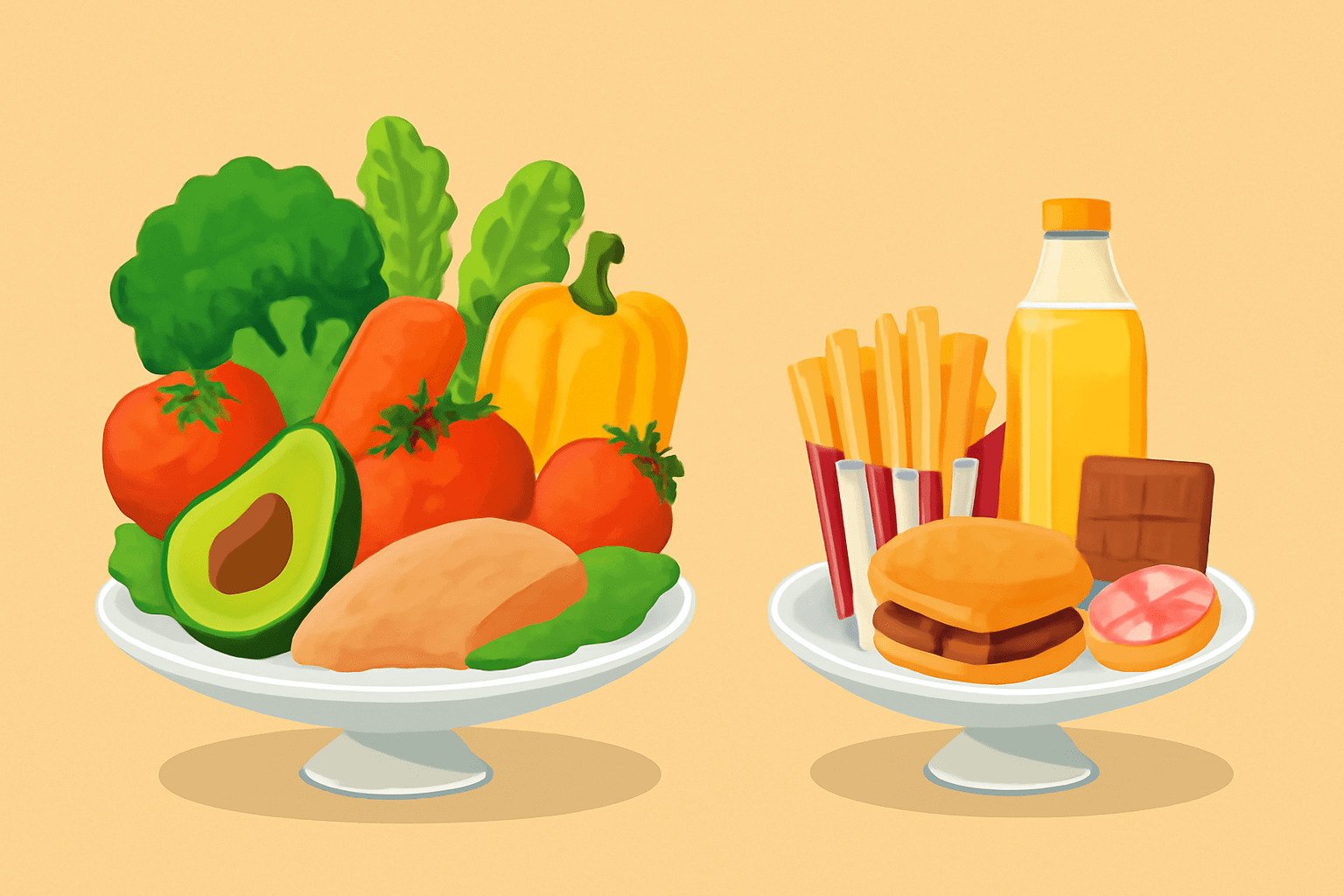
You don’t need to count every calorie to create a healthy balance. Instead, focus on food quality and composition. Foods high in protein and fiber naturally help you eat fewer calories by increasing satiety. For example, an apple contains fewer calories than apple juice but keeps you full longer due to its fiber content.
The concept of calorie density explains why some foods help with weight management better than others.
Mindful Eating Practices for Natural Weight Management
Developing Hunger Awareness
Have you ever found yourself eating simply because it’s noon, or because you’re bored? Learning to recognize true physical hunger is perhaps the most powerful skill for natural weight management. Physical hunger typically builds gradually, often accompanied by stomach growling, slight fatigue, or difficulty concentrating. Emotional hunger, by contrast, comes on suddenly and often craves specific comfort foods.
To distinguish between these hunger types, pause before eating and ask: “Would I eat an apple right now?” If the answer is no, you might be responding to emotional rather than physical needs. Research shows that this simple check can reduce unnecessary eating by up to 30%.
The hunger scale offers another practical approach.
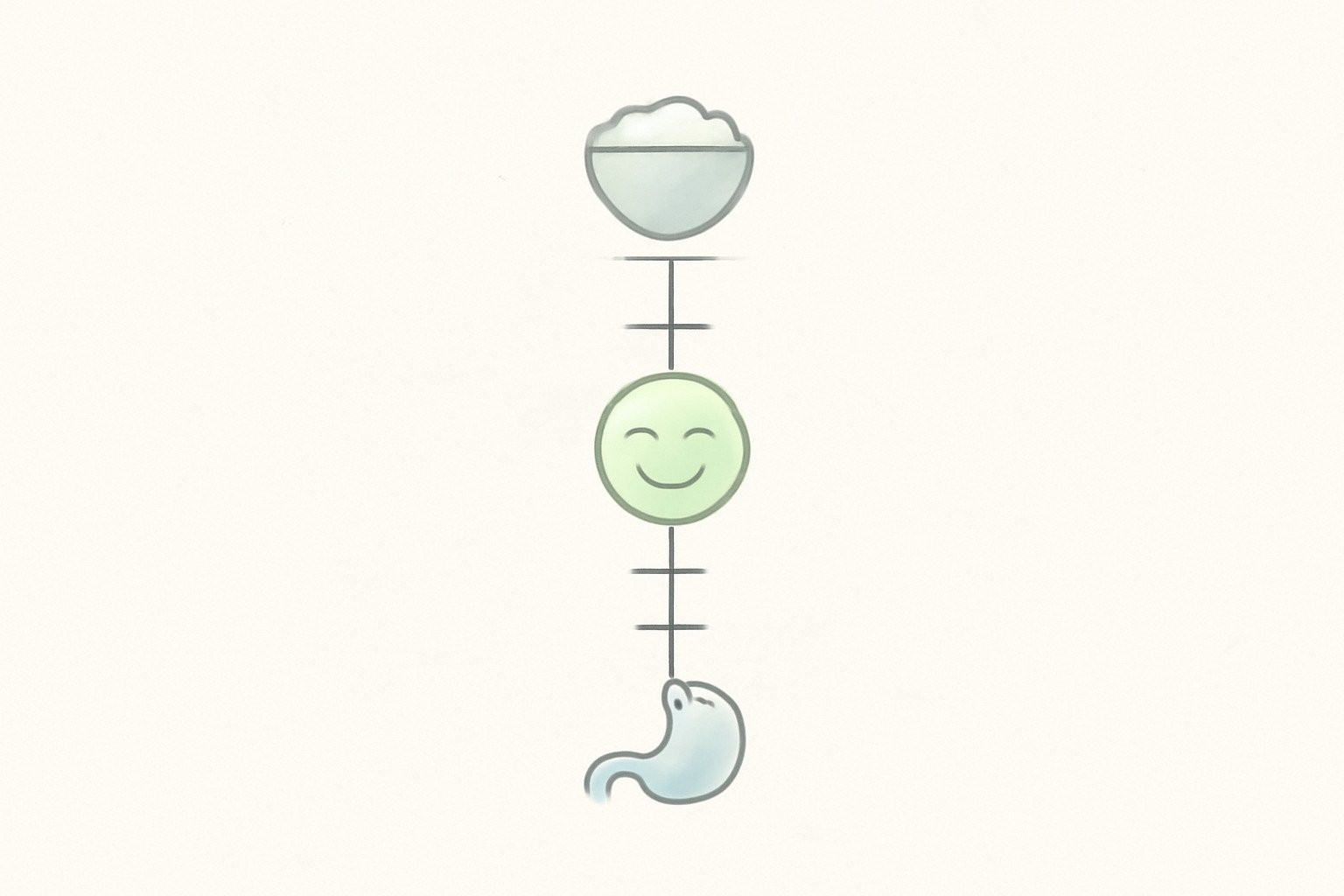
Rate your hunger from 1 (starving) to 10 (uncomfortably full). Aim to begin eating around 3-4 and stop at 6-7, when you’re comfortably satisfied but not stuffed. This prevents the energy dips that extreme hunger causes, which often lead to overeating.
To reconnect with fullness signals, try eating without distractions for at least one meal daily. Halfway through your meal, put down your utensils and check in with your body. Are you still physically hungry? You might be surprised how often the answer is no.
Slow Eating Techniques
Racing through meals bypasses your body’s natural satiety cues, which take about 20 minutes to register. By simply slowing down, you naturally eat less while enjoying food more. Try counting 30 chews per bite with foods that require chewing – this not only improves digestion but naturally extends your meal time.
Between bites, place your utensils down completely.

This small act creates natural pauses that give your brain time to register fullness. Keep a glass of water nearby and take sips between bites, which creates additional pauses and helps with hydration.
Harvard Medical School research confirms these techniques aren’t just theory – slow eating can naturally reduce caloric intake by 10-20% without any feelings of deprivation.
Creating Distraction-Free Meals
When was the last time you ate without scrolling through your phone? Studies show that people who eat while watching TV or using devices consume 10-25% more calories without realizing it. Your brain simply doesn’t register the eating experience when divided attention prevents sensory engagement.
Strategic Food Choices for Effortless Weight Management
Hydration’s Role in Weight Management
Did you know that simply drinking a glass of water before meals can naturally reduce your calorie intake by 75-90 calories per meal? This simple habit can add up to significant calorie reduction over time without any feeling of restriction.
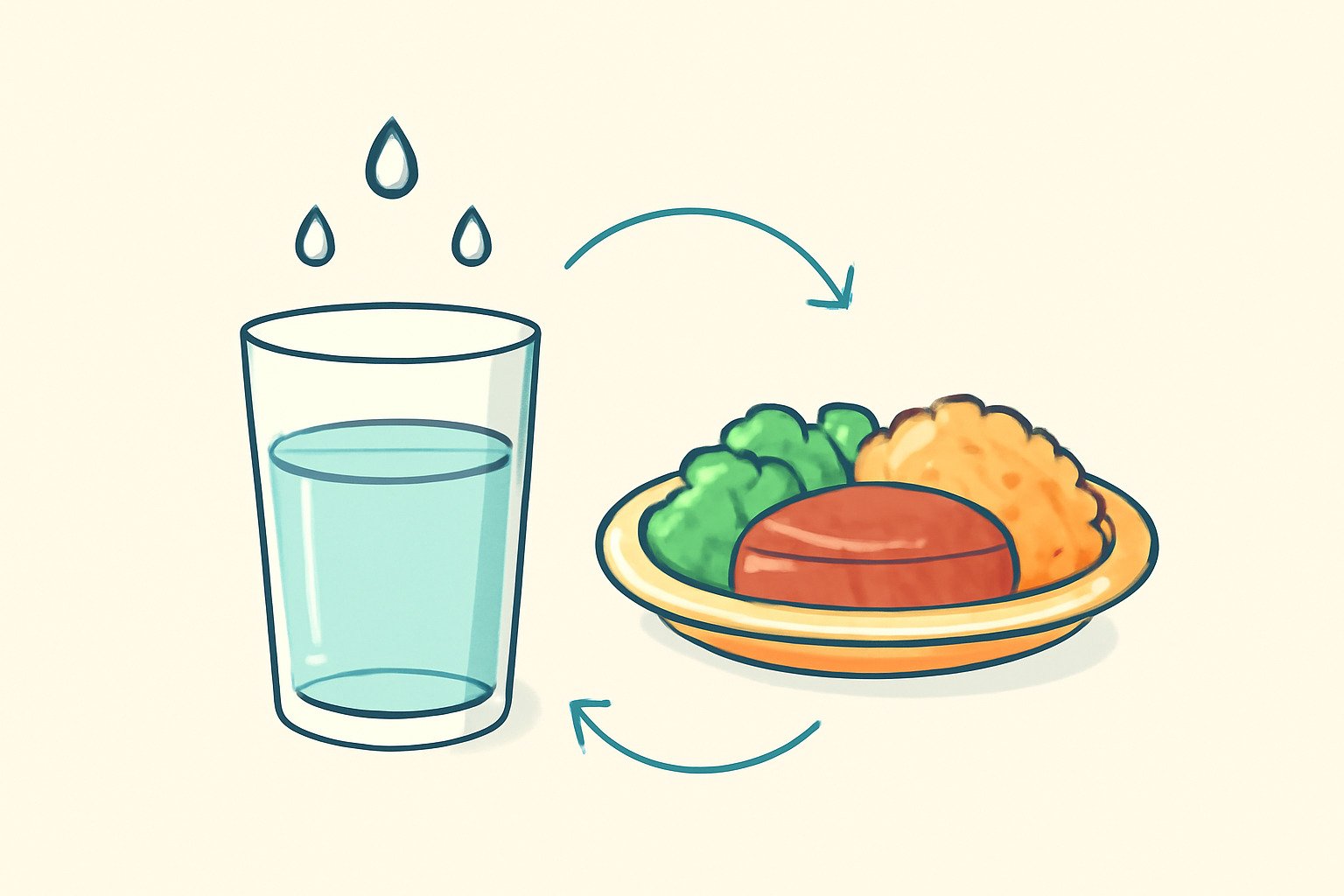
Our bodies often confuse thirst with hunger, leading to unnecessary eating. When you feel hungry between meals, try drinking a glass of water first and wait 15 minutes. You might discover it was actually thirst all along. Morning hunger pangs, in particular, are frequently dehydration signals after hours without fluids.
One of the easiest ways to reduce calories is replacing sugary drinks with water or unsweetened alternatives. A typical 20-ounce soda contains about 240 calories, while fruit juices often pack even more sugar than sodas. Research published in the American Journal of Clinical Nutrition shows that replacing just one sugary beverage daily with water can significantly impact weight management.
Protein and Fiber: The Satiety Powerhouses
Including protein-rich foods at every meal helps control hunger naturally. Start your day with eggs, Greek yogurt, or add nuts to your breakfast. For lunch and dinner, include a palm-sized portion of fish, chicken, beans, or tofu.
Fiber works alongside protein to create lasting fullness. Foods like beans, lentils, apples, berries, and oats slow digestion and stabilize blood sugar. Aim to include at least one high-fiber food at each meal.
Simple food swaps can dramatically increase your protein and fiber intake: replace white rice with quinoa, swap cereal for overnight oats, or use Greek yogurt instead of sour cream. These small changes require no calorie counting but naturally enhance satiety and reduce overall calorie consumption.
Leveraging Plant Foods for Weight Management
Plant-based meals naturally contain fewer calories while providing more volume, allowing you to eat satisfying portions without counting calories. The high water and fiber content in vegetables and fruits creates fullness with fewer calories.
To increase vegetable consumption without elaborate cooking, keep pre-cut veggies in your fridge for easy snacking, add spinach to smoothies, or use riced cauliflower in place of grains. Even simple additions like extra vegetables in pasta sauce or soup can make a difference.
The “crowding out” approach means starting meals with nutrient-dense foods like vegetables or broth-based soup. Studies show this naturally reduces total meal calories by making less room for calorie-dense options.
Smart Snacking Strategies
Keep portable, satisfying snacks on hand to prevent excessive hunger at mealtimes. Good options include an apple with nut butter, a handful of nuts with dried fruit, or Greek yogurt with berries.
For balanced blood sugar, combine a protein or healthy fat with a complex carb: think hummus with cucumber slices or a hard-boiled egg with fruit. This combination prevents energy crashes that trigger cravings.
Pre-planning snacks is crucial for avoiding vending machine visits or drive-through impulse stops. Harvard Health experts recommend preparing snack portions in advance, like dividing nuts into small containers or keeping cut vegetables at eye level in your refrigerator.
Natural Movement in Everyday Life
The NEAT Factor: Non-Exercise Activity Thermogenesis
Did you know that the small movements you make throughout the day can burn as many calories as a dedicated workout? These everyday activities—from fidgeting to pacing while on the phone—fall under Non-Exercise Activity Thermogenesis (NEAT), which can burn an additional 350+ calories daily without ever setting foot in a gym.
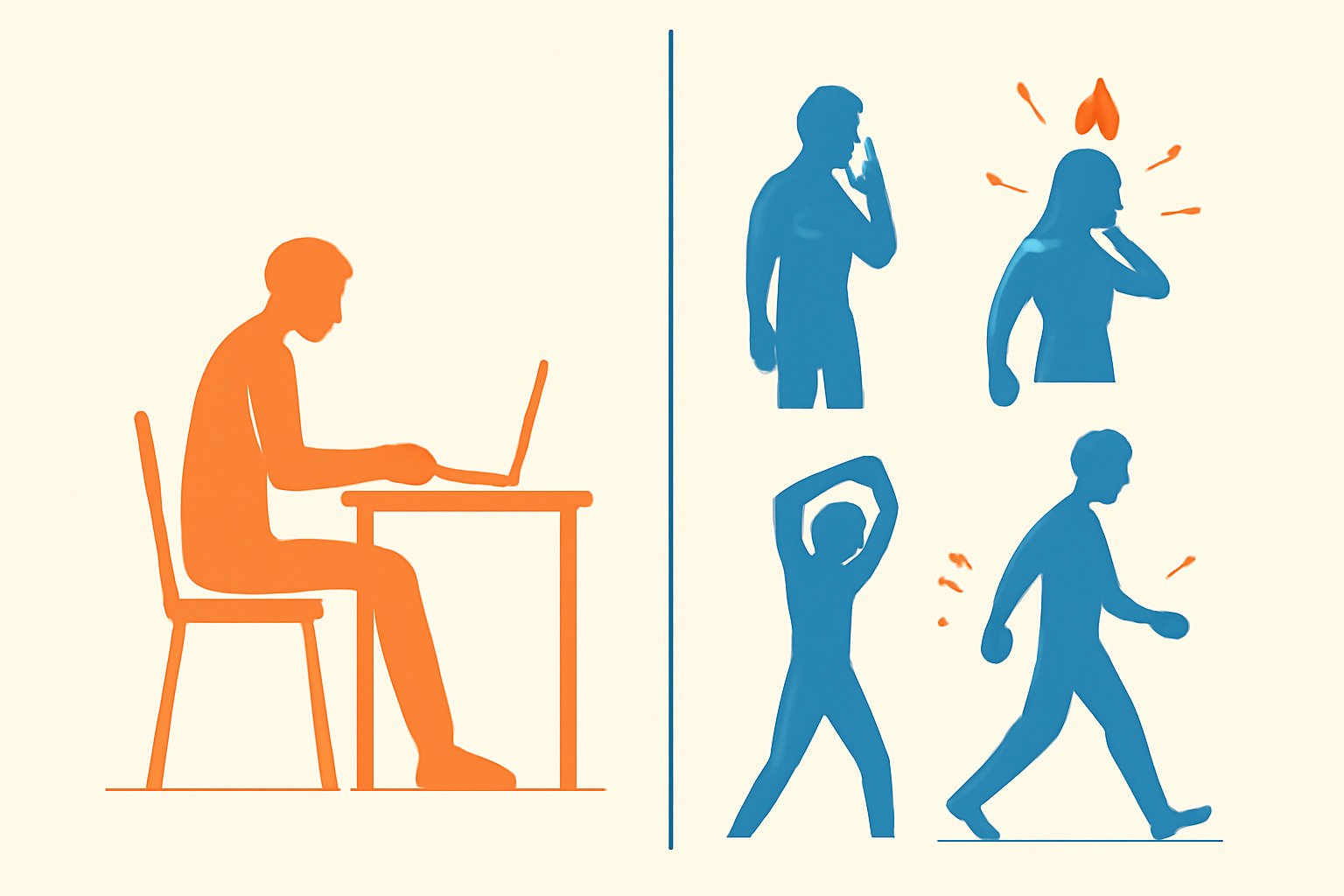
According to Mayo Clinic research, people who naturally incorporate more movement into their daily routines maintain healthier weights. Simple adjustments like standing during phone calls, taking the stairs instead of elevators, or parking farther from entrances quickly add up. Even seemingly trivial movements like tapping your foot, stretching occasionally, or doing household chores contribute significantly to your daily calorie burn.
What makes NEAT so powerful is that these tiny movements require almost no extra time or effort, yet their metabolic impact accumulates throughout the day. Try setting a reminder to stand up and stretch every hour, or make it a habit to walk while brainstorming ideas. Your body doesn’t distinguish between “exercise” and “movement”—it simply responds to activity.
Walking: The Underrated Weight Management Tool
Walking after meals might be one of the simplest yet most effective weight management strategies available. Just 10-15 minutes of post-meal walking helps regulate blood sugar levels, preventing spikes that can lead to fat storage, as demonstrated in diabetes research.
To incorporate more steps naturally, consider walking while making phone calls, having walking meetings instead of sitting in conference rooms, or establishing a habit of an evening neighborhood stroll. Many people find success with the “park and perimeter” approach—parking at the far end of lots and walking the perimeter of stores before shopping.
You don’t need to power-walk to benefit, either. Varying your pace naturally—walking briskly for a minute, then at a comfortable pace for a few minutes—creates an interval-like effect that boosts calorie burn without feeling like structured exercise.
Movement Snacking Throughout the Day
Taking brief “movement snacks” throughout your day offers remarkable benefits for metabolism and weight management. These 2-5 minute movement breaks every hour help counteract the negative effects of prolonged sitting. Physiological research shows these mini-breaks keep your metabolism more active than a single longer workout followed by hours of sitting.
Simple movement snacks include:

– Kitchen counter push-ups while waiting for coffee to brew – Calf raises while brushing teeth – Gentle stretching during TV commercials – A quick set of 10 squats before sitting down again
Finding Enjoyable Activities That Don’t Feel Like Exercise
The secret to sustainable movement is finding activities you genuinely enjoy. When movement brings pleasure, you’ll naturally seek it out rather than avoid it. According to research on physical activity adherence, enjoyment is one of the strongest predictors of whether someone will maintain an active lifestyle.
Consider movement-centered hobbies like gardening, dancing, recreational sports, or nature photography. These activities shift focus from “exercising to lose weight” to simply engaging in activities that bring joy while naturally increasing your movement.
Start by adding just 5-10 minutes of enjoyable movement daily, gradually building to longer durations as your body adapts. Remember, consistency matters more than intensity when it comes to natural weight management.
Lifestyle Habits That Support Natural Weight Management
Sleep Quality and Weight Connection
When you skimp on sleep, your body increases production of ghrelin (the “hunger hormone”) by up to 24% while decreasing leptin (the “fullness hormone”). This hormonal shift can make you feel constantly hungry even when you’ve eaten enough.
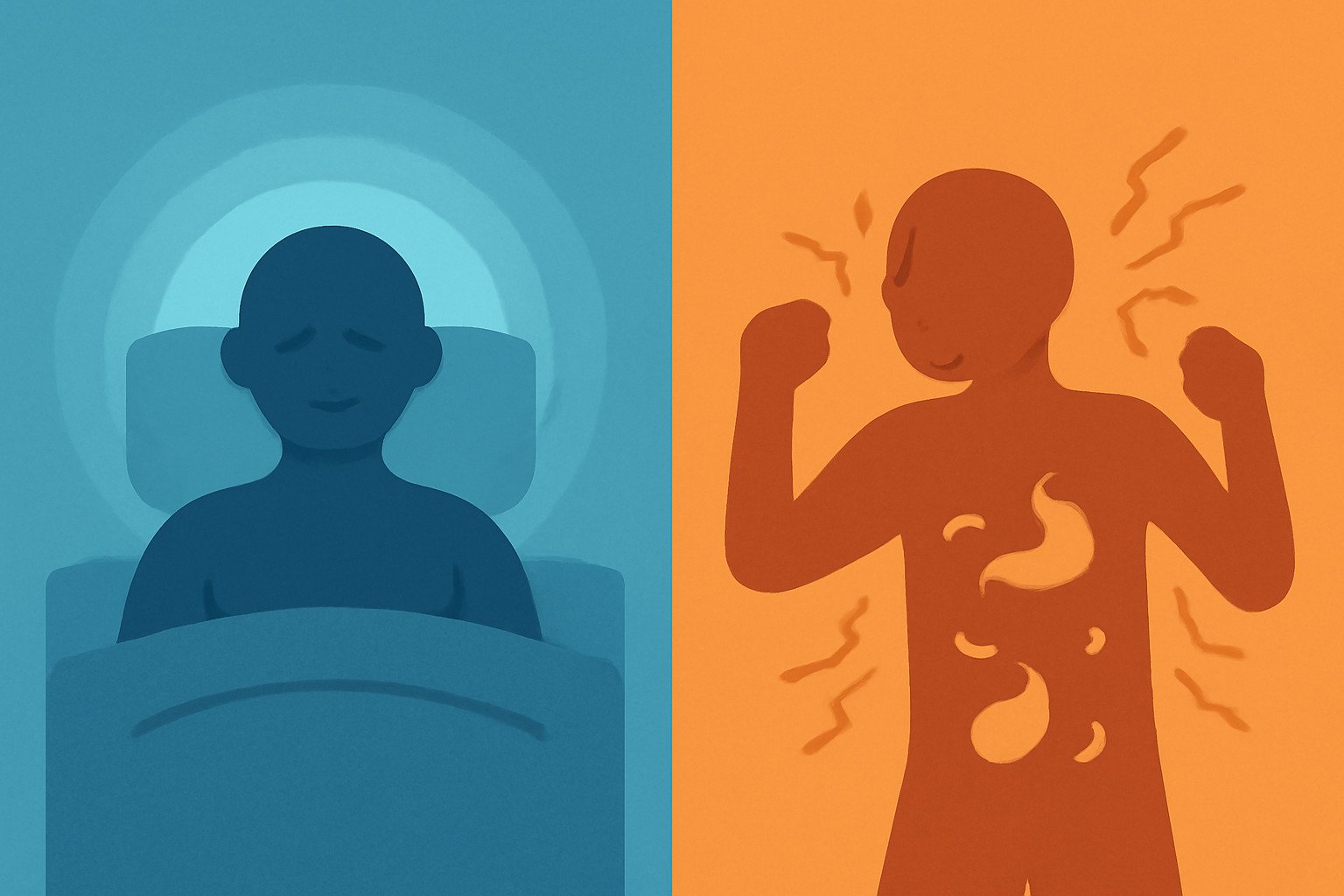
Research from the University of Chicago shows that just two nights of poor sleep can significantly disrupt these hunger signals.
To improve sleep quality, establish a consistent bedtime ritual. Turn off screens 30-60 minutes before bed, keep your bedroom cool (65-68°F), and use blackout curtains to create a dark sleeping environment. Many people find that a 10-minute bedtime stretching routine helps signal to their body that it’s time to wind down.
Going to bed and waking up at roughly the same times daily—even on weekends—helps regulate your circadian rhythm. This consistency has been shown to improve metabolic function and reduce late-night snacking, which often contributes to weight gain.
Stress Management for Weight Balance
High stress levels trigger your body to release cortisol, which not only increases appetite but specifically drives cravings for high-calorie comfort foods. What’s worse, this stress hormone promotes fat storage particularly around your midsection, as shown in studies from the University of California.
Try these quick stress-busters: Box breathing (inhale for 4 counts, hold for 4, exhale for 4, hold for 4) can calm your nervous system in just 2 minutes. A 5-minute outdoor break without your phone can reset stress levels mid-day. Even splashing cold water on your face activates your parasympathetic nervous system, reducing stress response.
To prevent stress eating, create a list of non-food coping strategies you enjoy—perhaps a quick walk, calling a friend, or working on a hobby—and keep it visible as a reminder when stress hits.
Social Connections and Their Impact on Weight
We tend to mirror the eating habits of those around us. The New England Journal of Medicine found that having a friend who becomes obese increases your chances of obesity by 57%—showing just how powerful social influence can be on our health behaviors.
When dining out, decide what you’ll order before arriving, or be the first to order to avoid being influenced by others’ choices. Plan social activities that don’t revolve around food—walking dates, cooking healthy meals together, or taking a dance class can strengthen relationships while supporting your health goals.
Creating Sustainable Daily Routines
Habit stacking—attaching a new healthy habit to an existing routine—makes behavioral changes stick. For example, doing 10 squats while brushing your teeth or drinking a glass of water before each meal. These tiny behaviors compound over time.
Make healthy choices the path of least resistance in your home. Keep fresh fruit visible on your counter instead of processed snacks. Prep water bottles each evening for the next day. Research on habit formation shows that reducing friction for good habits while increasing friction for less desirable ones dramatically improves consistency.
Track your success using measures beyond the scale: energy levels, clothing fit, sleep quality, and mood improvements are often more meaningful indicators of progress than weight alone.