Rising Tensions Define Current US-Denmark Relations Over Arctic Territory
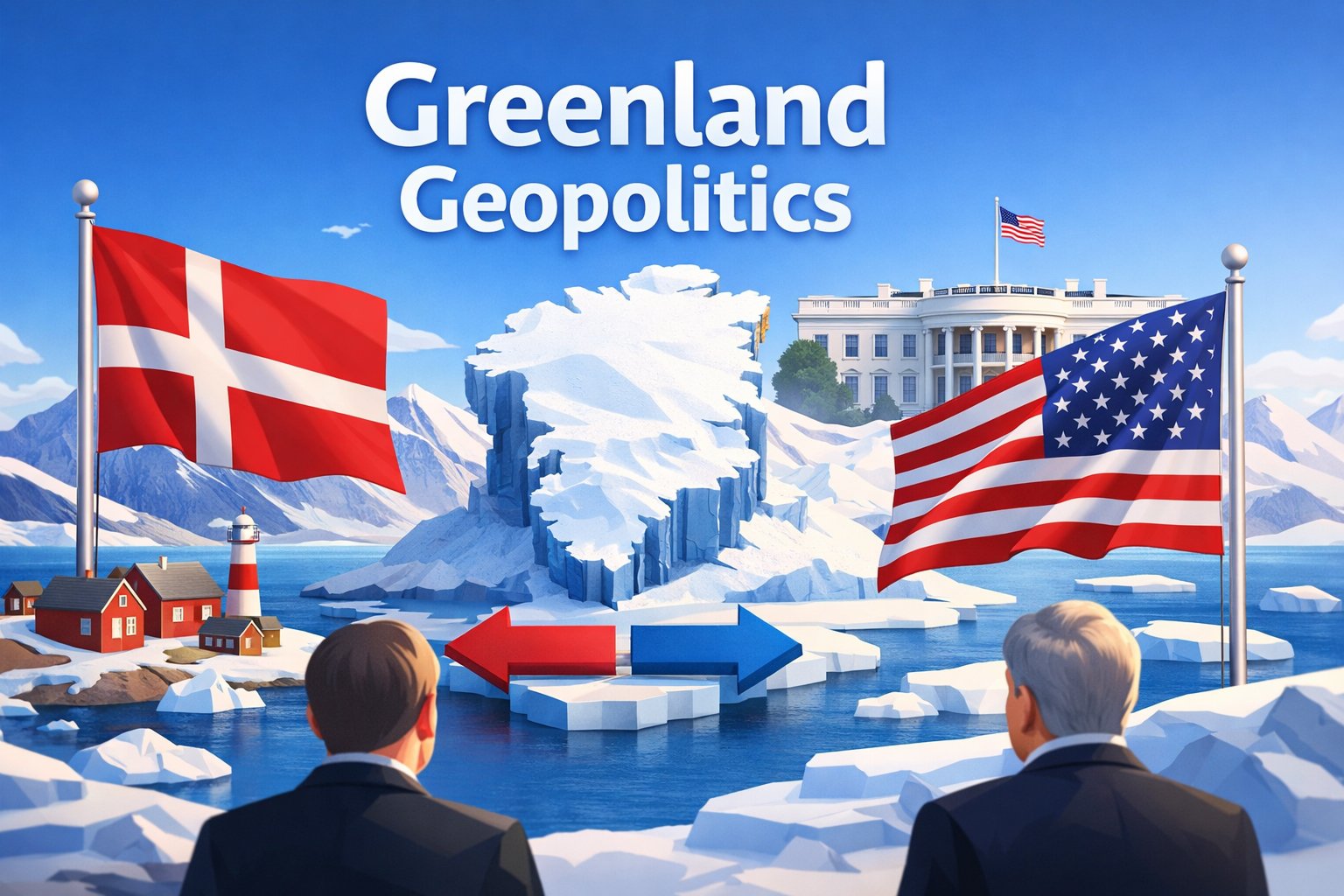
The complex landscape of Greenland geopolitics has reached a critical juncture as Denmark’s foreign minister reveals a “fundamental disagreement” with the United States following high-stakes discussions at the White House. This diplomatic standoff marks a significant strain in US-Denmark relations and highlights the growing importance of Arctic territories in global security considerations.
Danish Officials Express Strong Opposition to US Acquisition Plans
Foreign Minister Lars Lokke Rasmussen characterized the Wednesday meeting with Vice-President JD Vance and Secretary of State Marco Rubio as “frank but constructive.” However, he emphasized Denmark’s firm stance against President Trump’s persistent interest in “conquering” Greenland, describing such intentions as “totally unacceptable.”
Rasmussen made Denmark’s position crystal clear: “We made it very, very clear that this is not in [Denmark’s] interest.” This declaration underscores the deepening complexity of Greenland geopolitics and its impact on transatlantic partnerships.
Failed Breakthrough Despite Diplomatic Efforts
The hour-long trilateral meeting involving representatives from the United States, Denmark, and Greenland failed to produce any major diplomatic breakthrough. Nevertheless, all parties agreed to establish a high-level working group dedicated to discussing the autonomous Danish territory’s future.
The Danish foreign minister outlined specific “red lines” that the US cannot cross, while confirming that the newly formed working group will convene in the coming weeks to explore potential compromises. Significantly, Denmark and Greenland have expressed openness to allowing additional US military installations on the island.
Strategic Importance of Greenland in Modern Geopolitics
Arctic Security Concerns Drive US Interest
Rasmussen acknowledged an “element of truth” in Trump’s assertions about strengthening security measures to counter Russian and Chinese influence in the Arctic region. However, he disputed the president’s claims regarding the presence of Russian and Chinese warships around Greenland, stating these assertions were “not true.”
Despite its sparse population, Greenland occupies a strategically crucial position between North America and the Arctic. This location makes the territory invaluable for:
- Early warning missile detection systems
- Maritime vessel monitoring capabilities
- Arctic surveillance operations
- Regional security infrastructure
Existing US Military Presence and Agreements
The United States currently maintains more than 100 military personnel at the Pituffik base, located on Greenland’s northwestern tip. This facility has operated under US control since World War Two, demonstrating the long-standing military cooperation between the nations.
Current agreements with Denmark grant the US authority to deploy unlimited troops to Greenland, highlighting the established framework for military collaboration despite the current diplomatic tensions.
Greenlandic Leadership Maintains Autonomy Position
Greenland’s Minister of Foreign Affairs, Vivian Motzfeldt, expressed the territory’s willingness to enhance cooperation with the United States while firmly rejecting any takeover attempts. “We have shown where our limits are,” Motzfeldt declared, reinforcing Greenland’s commitment to maintaining its autonomous status.
Trump Administration Intensifies National Security Arguments
Presidential Statements Emphasize Strategic Necessity
President Trump continues to advocate for US acquisition of Greenland, telling reporters in the Oval Office: “We need Greenland for national security.” He questioned Denmark’s defensive capabilities, stating, “The problem is there’s not a thing that Denmark can do about it if Russia or China wants to occupy Greenland, but there’s everything we can do.”
The president expressed doubt about relying on Denmark to defend the island, further complicating US-Denmark relations and raising questions about NATO solidarity.
Golden Dome Defense System Integration
Trump has specifically linked Greenland acquisition to his planned missile defense system, Golden Dome. In a Wednesday social media post, he emphasized: “It is vital for the Golden Dome that we are building. NATO should be leading the way for us to get it.”
European Allies Rally to Support Denmark
Multinational Military Support Emerges
The diplomatic crisis has prompted swift action from European allies, demonstrating solidarity with Denmark:
Sweden pledged to deploy armed forces to Greenland upon Denmark’s request.
Germany announced plans to send a “reconnaissance team” to evaluate conditions for potential military contributions supporting regional security.
United Kingdom confirmed it will dispatch one military officer as part of the reconnaissance mission, according to Defence Secretary John Healey.
France plans to establish a consulate on the island next month, with President Emmanuel Macron confirming that “French military elements” are already en route to Greenland.
Coordinated Response to Geopolitical Pressures
Denmark emphasized that its military expansion in Greenland will proceed “in close cooperation with allies,” acknowledging that “geopolitical tensions have spread to the arctic.” This coordinated response demonstrates the broader implications of Greenland geopolitics for European security architecture.
Public Opinion Opposes US Control
Greenlandic Resistance to American Acquisition
Recent polling data reveals overwhelming opposition to US control among Greenland residents. According to the island’s US representative, only 6% of Greenlanders support becoming part of the United States, while 85% oppose such a transition when surveyed in January 2025.
American Public Shows Limited Support
Domestic US opinion also opposes Greenland acquisition. A Reuters/Ipsos poll released Wednesday indicates that merely 17% of Americans support seizing Greenland, compared to 47% who oppose Trump’s acquisition efforts.
Military Options Remain Under Consideration
The Trump administration has not ruled out military force as a means of acquiring Greenland. When questioned about potential military action, the president declined to eliminate this possibility, adding uncertainty to the diplomatic situation.
Alternative strategies reportedly include:
- Direct territorial purchase agreements
- Enhanced military cooperation frameworks
- Strategic partnership arrangements
- Economic investment initiatives
Broader Context of Trump Administration Foreign Policy
The Greenland discussions occur alongside other significant US military operations, including actions in Venezuela and strikes against ISIS targets in Syria. Trump has also threatened military intervention to address Iran’s suppression of domestic protest movements, indicating a broader pattern of assertive foreign policy positions.
Future Implications for US-Denmark Relations and Arctic Geopolitics
The ongoing dispute over Greenland represents more than a bilateral disagreement between the United States and Denmark. It reflects fundamental questions about:
- Arctic sovereignty in an era of climate change
- NATO alliance cohesion and mutual defense commitments
- The balance between national security interests and diplomatic partnerships
- The role of indigenous populations in territorial governance decisions
As Greenland geopolitics continues evolving, the international community watches closely to see whether diplomatic solutions can bridge the current divide in US-Denmark relations. The outcome of these negotiations may establish important precedents for Arctic governance and alliance relationships in the 21st century.
The establishment of the high-level working group provides a framework for continued dialogue, though fundamental disagreements about sovereignty and territorial control remain unresolved. Success will require careful balancing of legitimate security concerns with respect for democratic principles and existing territorial arrangements.