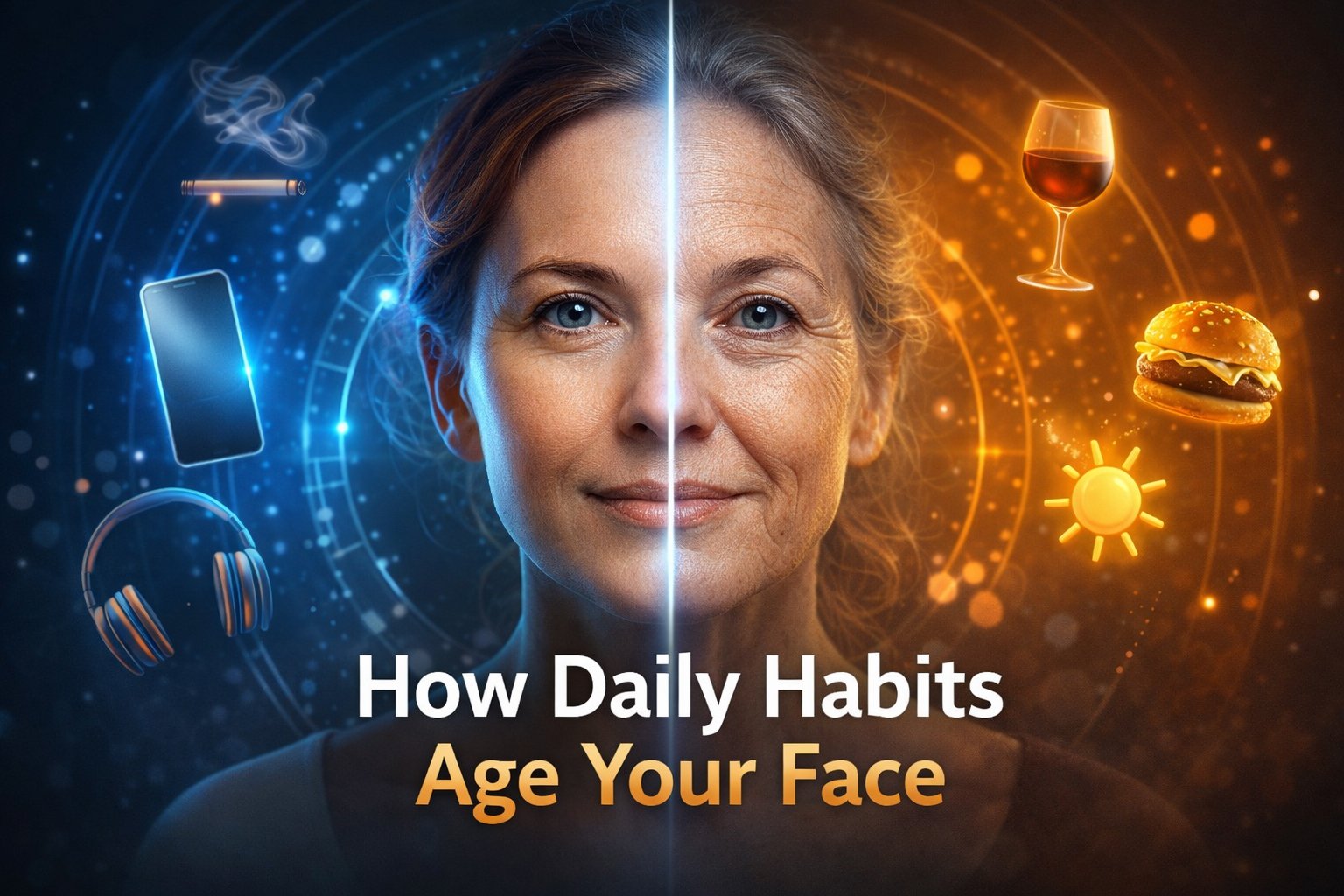
For many people, aging feels like a slow, gradual process. But for me, it felt like it happened overnight. At some point over the last two years, I felt like my face simply fell off a cliff.
One day, I was confident enough to post photos of myself all over social media. The next day, I found myself dodging video calls. I started avoiding mirrors. I was terrified of having my picture taken. My own image had become something I no longer recognized or enjoyed.
As a beauty journalist and brand consultant, I write about plastic surgery for a living. I always knew that I would eventually want a facelift. I considered it a hazard of the job. However, I always assumed that day would come when I was in my mid-50s. At 48, I technically wasn’t “there yet.”
But then I started noticing women my own age getting refreshed. I saw people like fashion designer Stacey Bendet and makeup artist Sofie Pavitt get work done. They looked amazing. Their results made me rethink my own timeline. I also spoke to numerous surgeons who confirmed that more women in their 40s are seeking these procedures.
The Trend of Early Intervention
Elizabeth Chance, a facial plastic surgeon based in Virginia, told me that women in their 40s now make up about 30 to 35 percent of her patients. That is a significant jump from just 10 percent a decade ago. According to Dr. Chance, the key factor isn’t the number on a birth certificate. It is about the patient’s anatomy and their desire for an elegant, undetectable result.
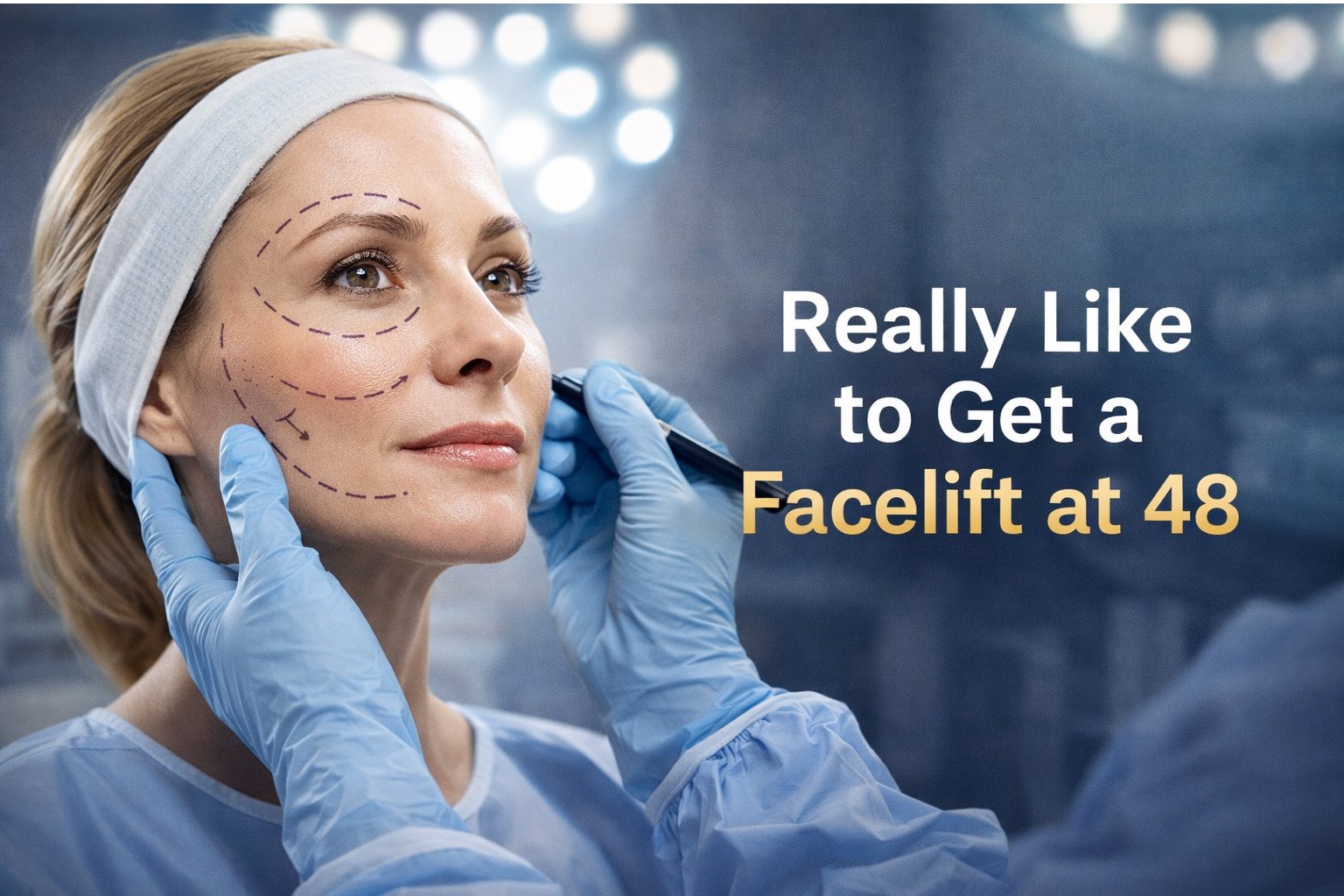
I consulted with four different surgeons before making my choice. I eventually placed a deposit with Dr. Mark Murphy in Palm Beach Gardens, Florida. I had met him previously at a dinner and liked his direct style. During our consultation, we stood in front of a mirror. I pointed out my tired eyes and the wrinkles on my lower face. He recommended a comprehensive plan: a deep-plane facelift, a deep neck lift, a brow lift, and a fat transfer.
Weighing the Pros and Cons
There are distinct advantages and disadvantages to having surgery in your 40s. On the positive side, younger tissue heals faster and better. The changes to the face are also more subtle.
On the negative side, it is still a major surgery. It involves downtime, significant expense, and medical risks. There is also an emotional toll. Dr. Andrew Frankel, a surgeon in Beverly Hills, noted that younger patients often need more psychological support. They are sometimes less certain that they “need” the surgery compared to patients over 50. They also face more judgment from peers who might feel the surgery is unjustified.
The Surgery and Recovery
I decided not to go through this alone. I arranged to have my surgery at the same time as one of my closest friends. We planned to recover together, “Golden Girls” style.
On the day of the operation, I followed all instructions, washing with special soaps. I gave Dr. Murphy permission to do whatever he thought would yield the best result regarding my neck contouring.
After the surgery, a private nurse took me to a hotel. I spent the first day icing my face and drinking protein shakes. Pain was manageable with just Tylenol. The next morning, I went back to the office to have the bandages removed.
When I looked in the mirror, I was jubilant. My face shape looked like it did in my 20s. My eyes were open. I had no bruises. Dr. Murphy warned me that the swelling was just beginning, and he was right.
For the next few days, I could barely chew. I lived on Greek yogurt, mashed avocados, and pears. I slept constantly. Washing my hair was a strange experience because the top of my head was numb; it felt like I was washing someone else’s scalp.
Once my friend had her surgery and joined me, things improved. We walked around the mall in big hats and leggings. Having her there was crucial. We bonded deeply over the experience.
The Final Results
On day 10, the metal staples in my head were removed. Dr. Murphy also performed a small nonsurgical nose job with filler. When I saw the final “after” photos compared to the “before” shots, I was stunned.
My neck was long and elegant. My jawline was defined in a way it hadn’t been even in my youth. Dr. Murphy explained that the surgery corrected issues caused 70 percent by aging and 30 percent by my natural genetics.
Conclusion
Three months later, the changes are subtle to the outside world, but massive to me. That is the point of doing it now rather than later. I feel more confident today than I ever have. The process wasn’t physically or emotionally easy, but I would do it again in a heartbeat. Getting a facelift wasn’t just about fixing wrinkles. It was about restoring my sense of self.