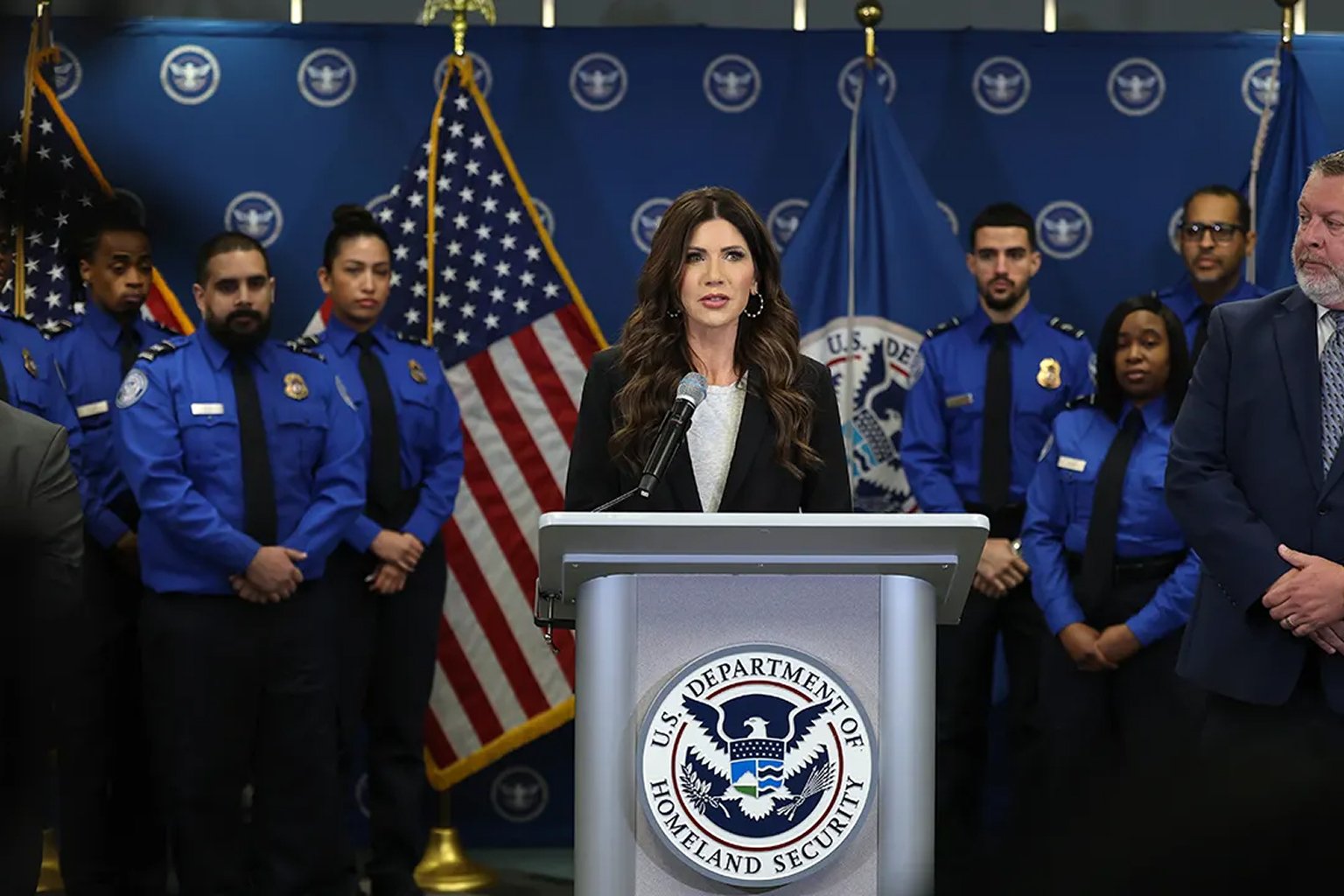
A growing conflict is brewing within the Department of Homeland Security (DHS). Democratic Senator Tammy Duckworth has raised serious concerns about the independence of the agency’s internal watchdog. In a letter sent to DHS Secretary Kristi Noem, Duckworth alleges that top legal officials at the department have issued warnings to the Inspector General (IG). These warnings reportedly assert that Secretary Noem has the power to unilaterally shut down investigations.
The Role of the Watchdog
The Office of Inspector General (OIG) at DHS plays a critical role. Its official mission is clear: to provide objective and independent oversight. This office is tasked with ensuring integrity and accountability within the massive federal department. It investigates programs, operations, and potential misconduct.
However, recent communications suggest this independence might be under threat. Senator Duckworth recently met with DHS Inspector General Joseph Cuffari. During this meeting, she learned of troubling interactions between the IG’s office and the DHS general counsel.
“Tacit Threats” and Unusual Requests
According to Duckworth’s letter, which was obtained by NBC News, the DHS general counsel contacted the IG’s office multiple times. The purpose of these communications was reportedly to “remind them” of Secretary Noem’s authority. Specifically, they emphasized her power to stop investigations led by the OIG.
Duckworth described these reminders as “repeated tacit threats.” She fears they are designed to weaken the operational independence of the watchdog.
The pressure didn’t stop at reminders. On January 29, the IG’s office reportedly received a specific request. They were asked to disclose “every active audit, inspection, and criminal investigation” currently underway. Senator Duckworth characterized this request as “extremely unusual, perhaps even unprecedented.”
Concerns Over Specific Incidents
The Senator believes these pressures are already having a real-world impact. She pointed to the recent fatal shooting of U.S. citizen Alex Pretti by Border Patrol agents as an example. Duckworth noted an “unusual lack of activity and engagement” from the DHS OIG in the days following this tragic event. She suggests this silence might be evidence that the watchdog’s independence has already been compromised.
Legal Context and Precedent
Is it legal for a secretary to stop an investigation? The answer is complicated.
Former Interior Department Inspector General Mark Greenblatt shed light on the law. He pointed to the Inspector General Act of 1978. This law does allow a agency secretary to prohibit an IG from carrying out an audit or investigation. However, this power is restricted. It can only be used if the secretary determines that proceeding would harm national security.
Greenblatt, who served as the chair of the Council of Inspectors General, noted how rare this is. “In my experience, that provision has never been invoked by any agency across the federal government,” he said.
Greenblatt was nominated by President Donald Trump during his first term. He was later fired by Trump at the start of his second administration.
The law also has safeguards. If a secretary does choose to shut down an investigation, they must report it to Congress within 30 days. This notice must explain the reasons for the decision. It must also state whether the Inspector General agreed with the move.
Criminal Investigations vs. Audits
There is a big difference between audits and criminal probes. Greenblatt explained that Inspectors General routinely tell agency leadership about ongoing audits. Many of these audits are eventually made public.
However, sharing information about criminal investigations is different. Greenblatt stated that notifying a cabinet secretary about ongoing criminal probes is “not normal.” He compared it to law enforcement practices, noting, “The FBI doesn’t tell everyone what they are investigating in advance.”
Current Watchdog Activities
Despite the alleged pressure, the IG’s office continues its work. On Thursday, the office posted an update to its website. It announced a review of the agency’s immigration enforcement efforts.
The review aims to determine if these efforts follow federal law and DHS policy. It will also check if civil rights are being protected. The scope of this review is broad. It includes looking at how Immigration and Customs Enforcement (ICE) hires and trains staff. It will examine safeguards meant to prevent the arrest of U.S. citizens. The review will also inspect conditions at ICE detention facilities and the use of Border Patrol agents in major cities like Los Angeles, Chicago, and Minneapolis.
DHS Response
The Department of Homeland Security has pushed back against Duckworth’s claims. DHS Assistant Secretary Tricia McLaughlin defended the Secretary’s authority. She pointed out that the federal law giving the Secretary power to end investigations has existed for decades.
“Senator Duckworth is arguing that a Senate-confirmed cabinet secretary shouldn’t use an existing section of federal law because she doesn’t think it should exist,” McLaughlin said in a statement.
McLaughlin challenged the lawmakers to change the law if they disapprove of it. “If Senator Duckworth and her fellow Democrats do not like the law that Congress already passed, they — as members of Congress — have full Constitutional authority under Article I to change the law and assuage their own concerns,” she added.
Conclusion
The tension between the DHS leadership and its independent watchdog highlights a significant struggle over oversight. Senator Duckworth views the “reminders” of authority as threats to transparency. The DHS leadership views them as the exercise of legal power granted by Congress. As the OIG continues its reviews of immigration enforcement and other critical issues, the question of its independence remains a focal point for lawmakers. The outcome of this dispute could reshape how accountability is handled within one of the nation’s largest federal agencies.