Democratic leaders in Congress are taking a firm stand against recent federal immigration enforcement tactics. This move comes in the wake of a controversial and tragic month that saw two United States citizens killed by federal agents. The incidents have sparked a fierce debate in Washington, pushing immigration enforcement to the very top of the political agenda.
Party leaders are now calling for strict new limits on the Department of Homeland Security (DHS). They argue that recent operations have gone too far and that the agency needs immediate restraint. This legislative battle is unfolding even as Congress works to prevent a government shutdown. A temporary deal reached on Thursday has averted a shutdown for now, but the fight over how to manage the DHS is far from over.
The Spark: Fatal Incidents in Minneapolis
The driving force behind this new legislative push is the death of two Americans. Renée Good and Alex Pretti were both fatally shot by federal agents in Minneapolis earlier this month. These shootings have caused outrage and alarm among lawmakers.
For many Democrats, these deaths are proof that current enforcement methods are dangerous and lack proper oversight. The tragedies have unified the party on the need for change, although there are differing opinions between the House and the Senate on exactly how drastic those changes should be.
Senate Proposals: Defining the Guardrails
Senate Minority Leader Chuck Schumer has outlined a specific set of reforms. His approach focuses on targeted changes to how U.S. Immigration and Customs Enforcement (ICE) and Customs and Border Protection (CBP) operate.
Schumer’s proposal includes several key restrictions:
- Banning Roving Patrols: Putting an end to agents patrolling areas without specific targets.
- Warrant Requirements: Expanding the situations in which agents must obtain a warrant before taking action.
- Code of Conduct: Adopting a universal set of behavioral standards for all agents.
- Body Cameras: Mandating that agents wear body cameras to ensure accountability.
- No Masks: Prohibiting agents from hiding their identities behind masks during operations.
House Democrats Demand Broader Action
While the Senate leadership is focusing on specific procedural changes, Democrats in the House of Representatives are pushing for much broader and more aggressive measures. This is particularly true for the progressive wing of the party.
Representative Brad Schneider of Illinois and Representative Greg Casar of Texas released a joint statement that did not mince words. They declared that “the occupation of American cities by its own government must end.” Their statement reflects a growing sentiment that federal agents have been acting like a military force within domestic borders. They are calling for reforms that would stop “masked, armed agents from wreaking havoc in our communities.”
Several caucuses within the House have laid out a strict list of demands. These include:
-
An immediate halt to all ICE and CBP operations in the state of Minnesota.
-
A strict ban on the detention of U.S. citizens.
-
Restrictions on the use of military-grade equipment by immigration agents.
-
Limits on arrests in sensitive locations, such as churches and hospitals.
Leadership Weighs In
House Minority Leader Hakeem Jeffries has signaled his support for Schumer’s proposals in the Senate. However, he made it clear that House Democrats have their own “red lines.”
Jeffries emphasized that any new legislation must include explicit language that bars the detention and deportation of American citizens. He expressed disbelief that this is even a matter of debate. “That shouldn’t even be a discussion,” Jeffries said, arguing that detaining citizens is fundamentally inconsistent with the U.S. Constitution.
The Funding Battle and Political Fallout
The debate over these restrictions is directly tied to the federal budget. Senate Democrats agreed to a deal late on Thursday that provides temporary funding for the DHS for just two weeks. This short extension is designed to buy time. It allows lawmakers to negotiate these enforcement restrictions without shutting down the rest of the government, which has been funded through September.
Schumer explained that this short-term solution was necessary because the bill regarding the DHS “still needs a lot of work.”
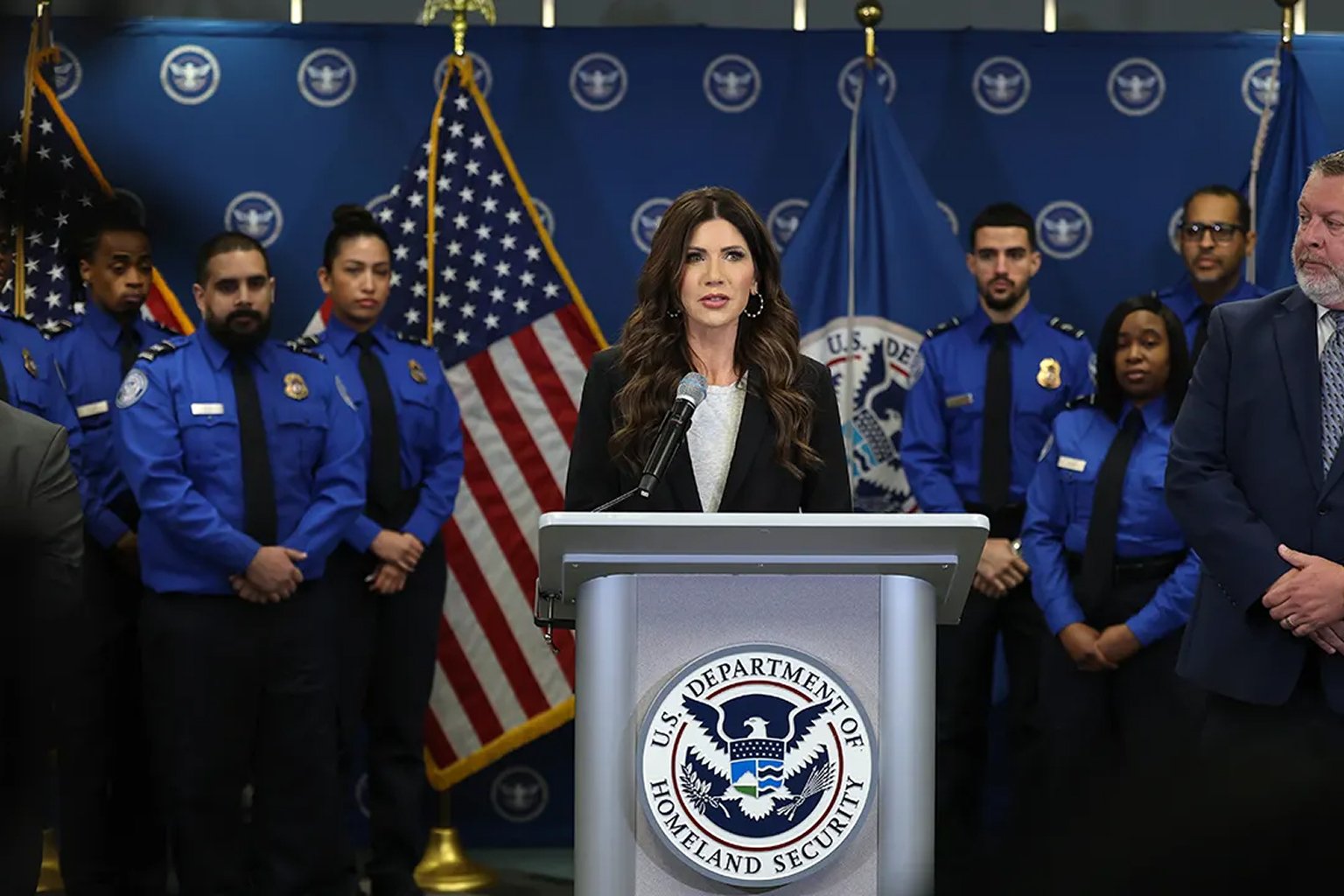
The crackdown on enforcement has also created political trouble for the leadership at the Department of Homeland Security. There are growing calls for Secretary Kristi Noem to resign. Hakeem Jeffries and other top Democrats in the House have stated that Noem should either be fired or face impeachment proceedings. They cite her handling of the Minneapolis shootings as a failure of leadership.
Despite the pressure from Congress, President Donald Trump has stood by his appointee. He has defended Secretary Noem and stated that he retains full confidence in her ability to lead the department.
Conclusion
The path forward is fraught with political risk. House Democrats are aware that threatening DHS funding could backfire politically. However, many believe the situation is too severe to ignore.
Representative Pramila Jayapal took to social media platform X to voice the urgency felt by many in her party. She wrote, “Senate Democrats must continue to stand strong and refuse to send DHS and ICE another dime as they terrorize our communities.”
As the two-week funding clock ticks down, Washington remains deadlocked. The Democrats are united in their desire to stop what they see as an overreach of federal power, but the specifics of how to achieve that—and whether they can pass such measures in a divided capital—remain to be seen. The tragic deaths of Renée Good and Alex Pretti have ensured that “business as usual” regarding immigration enforcement is no longer an option for the party.