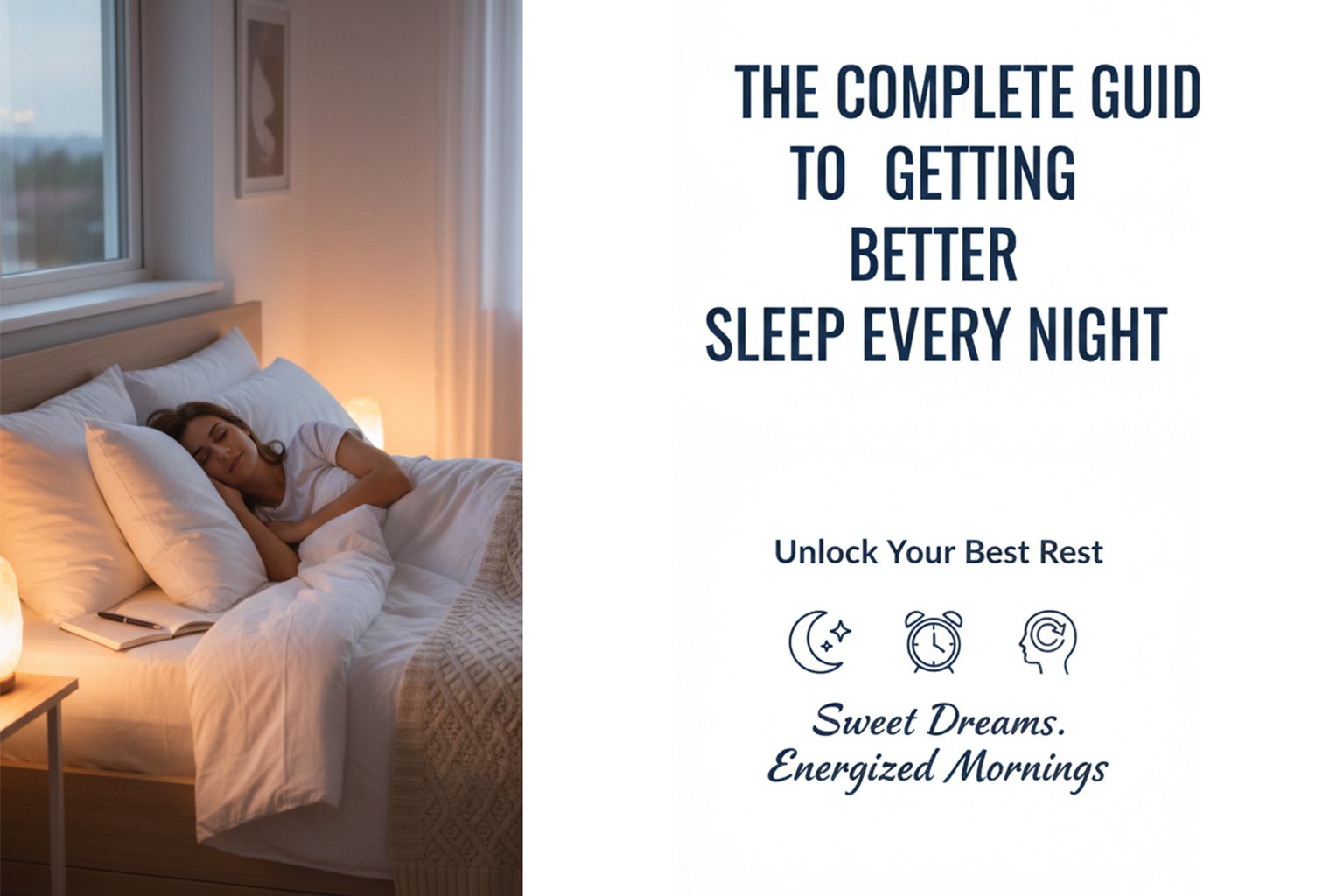
Have you ever spent hours tossing and turning in bed, watching the clock tick away precious sleep time? Or maybe you wake up feeling groggy and tired, even after what seemed like a full night’s rest? You’re definitely not alone. Millions of people struggle with sleep problems, but the good news is that there are simple, effective ways to improve sleep quality and wake up feeling refreshed.
Getting good sleep for good health isn’t just about feeling rested – it affects everything from your mood and focus to your immune system and overall well-being. In this guide, we’ll explore practical steps to better sleep that anyone can start using tonight. Whether you’re dealing with occasional sleepless nights or chronic sleep issues, these tips will help you improve your sleep cycle and finally get the rest you deserve.
Why Quality Sleep Matters More Than You Think
Before diving into the how-to steps, let’s talk about why good sleep is so important. When you sleep better at night, your body gets busy repairing tissues, processing memories, and releasing important hormones that keep you healthy. Poor sleep doesn’t just make you cranky – it can weaken your immune system, make it harder to concentrate, and even affect your physical health over time.
Think of sleep as your body’s daily reset button. Just like your phone works better after a full charge, your body and mind function best when they’ve had proper rest. When you consistently improve sleep quality, you’ll likely notice better focus during the day, more stable emotions, and increased energy levels.
Setting Up Your Sleep Environment for Success
Creating the Perfect Sleep Space
Your bedroom environment plays a huge role in how well you sleep. The goal is to make your room a sleep sanctuary that signals to your brain that it’s time to wind down. Here are some key factors to consider:
Temperature control is crucial for better sleep. Most people sleep best in a slightly cool room, around 65-68 degrees Fahrenheit. If your room is too hot or too cold, your body has to work harder to regulate its temperature, which can disrupt your sleep cycle.
Darkness matters more than you might think. Even small amounts of light can interfere with your body’s production of melatonin, the hormone that helps you feel sleepy. Consider using blackout curtains, an eye mask, or covering any LED lights from electronics.
Noise control can make a big difference in sleep quality. If you can’t control outside noise, try using a white noise machine, fan, or earplugs to create a more consistent sound environment.
Choosing the Right Sleep Setup
Your mattress and pillows are like the foundation of good sleep. If you’re waking up with aches and pains, or if your mattress is more than 7-8 years old, it might be time for an upgrade. The key is finding something that supports your body comfortably – not too soft that you sink in, but not so firm that it creates pressure points.
Don’t forget about your bedding either. Breathable fabrics like cotton or bamboo can help regulate your body temperature throughout the night, contributing to better sleep quality overall.
Building Better Sleep Habits Throughout Your Day
The Power of a Consistent Sleep Schedule
One of the most effective steps to better sleep is maintaining a regular sleep schedule. This means going to bed and waking up at roughly the same time every day – yes, even on weekends. It might sound boring, but your body’s internal clock loves routine.
When you stick to a consistent schedule, you’re helping to improve your sleep cycle naturally. Your body starts to anticipate sleep time and begins winding down on its own. This makes falling asleep easier and helps you wake up feeling more refreshed.
What You Do During the Day Affects Your Night
Many people don’t realize that their daytime habits have a huge impact on nighttime sleep quality. Getting some natural sunlight during the day, especially in the morning, helps regulate your circadian rhythm – your body’s natural sleep-wake cycle.
Regular physical activity is another powerful way to improve sleep quality, but timing matters. Exercise can be energizing, so try to finish vigorous workouts at least 3-4 hours before bedtime. Even a 20-30 minute walk during the day can help you sleep better at night.
What You Eat and Drink Can Make or Break Your Sleep
Foods That Help You Sleep Better
Believe it or not, certain foods can actually help improve sleep quality. Foods rich in tryptophan (like turkey, milk, and bananas), magnesium (such as nuts and leafy greens), and complex carbohydrates can promote better sleep. A light snack combining protein and carbs about an hour before bed might help you fall asleep more easily.
What to Avoid for Better Sleep
On the flip side, some foods and drinks can seriously interfere with good sleep. Caffeine is the obvious culprit – it can stay in your system for 6-8 hours, so that afternoon coffee might still be affecting you at bedtime. Try to avoid caffeine after 2 PM if you want to sleep better at night.
Alcohol might make you feel drowsy initially, but it actually disrupts your sleep cycle later in the night, leading to less restful sleep overall. Large, heavy meals close to bedtime can also interfere with sleep as your body works to digest food.
Creating an Evening Routine That Works
The Importance of Winding Down
Creating a relaxing bedtime routine is one of the most effective ways to improve your sleep cycle. This routine should start about an hour before you want to fall asleep and should include calming activities that signal to your body that it’s time to rest.
Your wind-down routine might include taking a warm bath, reading a book, doing some gentle stretches, or practicing relaxation techniques like deep breathing. The key is to find activities that work for you and stick with them consistently.
Managing Screen Time for Better Sleep
The blue light from phones, tablets, computers, and TVs can interfere with your body’s natural sleep signals. This light tricks your brain into thinking it’s still daytime, making it harder to feel sleepy. For better sleep quality, try to avoid screens for at least an hour before bedtime.
If you must use devices in the evening, consider using blue light filtering glasses or enabling the night mode settings on your devices. However, the best approach for good sleep for good health is to create a screen-free bedroom environment.
Dealing with Common Sleep Challenges
When Your Mind Won’t Quiet Down
Racing thoughts and worries are common reasons people can’t fall asleep or stay asleep. If your mind tends to be active at bedtime, try keeping a journal by your bed. Writing down your thoughts, tomorrow’s to-do list, or things you’re grateful for can help clear your mind for sleep.
Relaxation techniques like progressive muscle relaxation or guided meditation can also be helpful. There are many free apps and online resources that offer sleep-focused meditation and breathing exercises.
Handling Middle-of-the-Night Wake-ups
If you wake up during the night and can’t fall back asleep within 20 minutes, it’s often better to get up and do a quiet, relaxing activity until you feel sleepy again. This prevents you from associating your bed with frustration and helps maintain good sleep habits.
Keep the lights dim and avoid checking the time frequently, as this can increase anxiety about lost sleep. Instead, focus on rest and relaxation, knowing that even quiet rest is beneficial for your body.
Making Long-term Changes for Lasting Results
Improving sleep quality isn’t usually an overnight fix – it takes time and patience to see lasting results. Start by choosing one or two changes that seem most manageable for your lifestyle, and gradually build from there. Maybe you begin with a consistent bedtime or creating a screen-free hour before sleep.
Remember that everyone’s sleep needs are different. While most adults need 7-9 hours of sleep per night, pay attention to how you feel with different amounts of sleep. The goal is to wake up feeling refreshed and maintain good energy throughout the day.
Good sleep for good health is an investment in yourself that pays dividends in every area of your life. Better sleep can improve your mood, boost your immune system, enhance your focus, and even help with weight management. When you prioritize sleep and take steps to better sleep consistently, you’re setting yourself up for better health and well-being overall.
Sweet dreams start with the choices you make today. Pick one or two strategies from this guide and start implementing them tonight – your future well-rested self will thank you.