Washington Commanders and HKS Reveal Groundbreaking Vision for World-Class Sports Destination
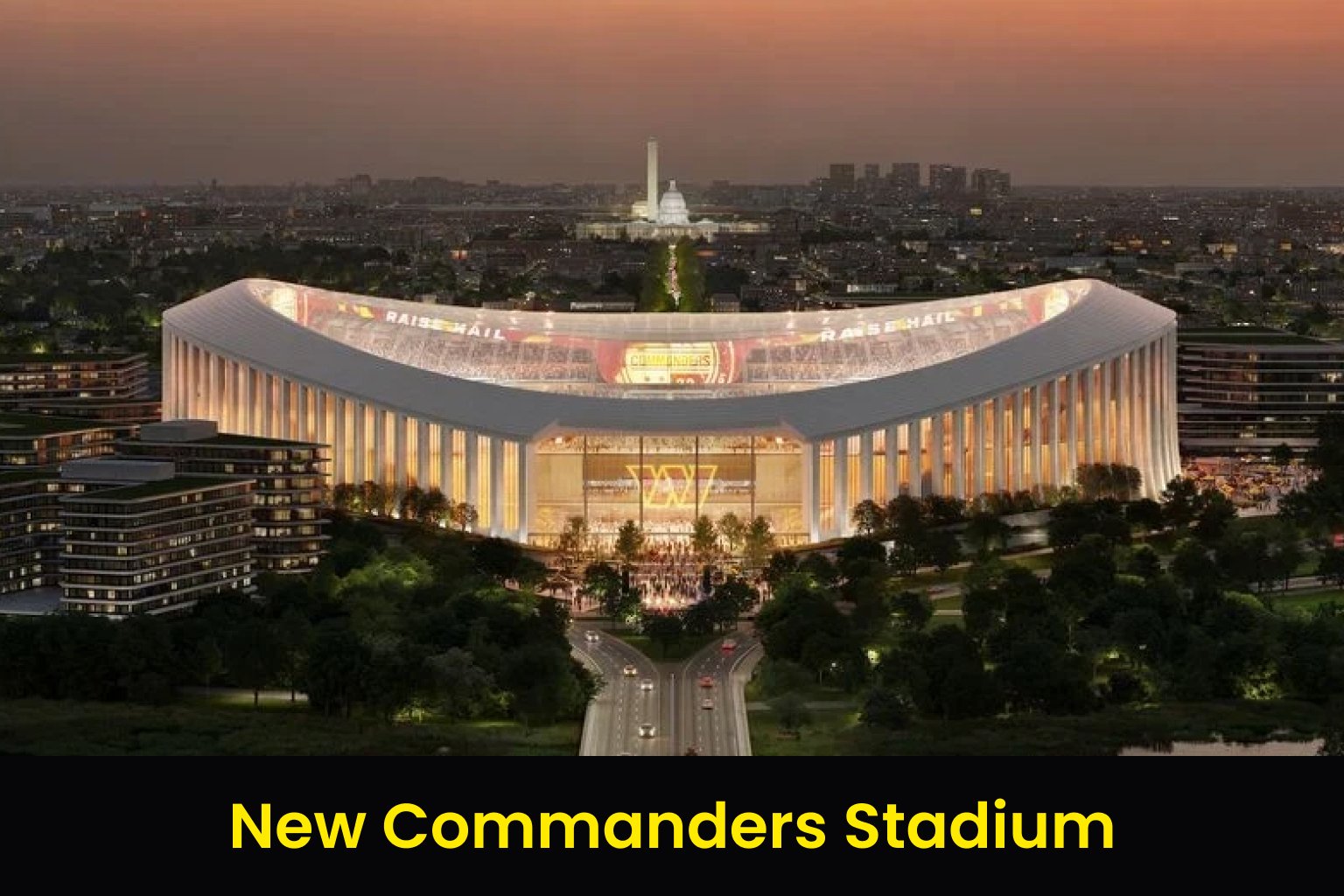
The Washington Commanders and renowned architectural firm HKS have officially unveiled the highly anticipated Commanders new stadium renderings, marking a pivotal moment in the ambitious RFK Stadium site redevelopment project. These initial conceptual designs showcase a revolutionary approach to stadium architecture that promises to transform Washington, DC’s sports and entertainment landscape.
Cutting-Edge Design Features Define the New Stadium Experience
The proposed stadium design represents a quantum leap forward in sports venue architecture. HKS architects have crafted a roofed stadium that will function as a dynamic, year-round destination, seamlessly blending sports entertainment with community engagement initiatives. The facility incorporates sustainable design practices while revolutionizing the fan experience through immersive, state-of-the-art spaces.
HKS Brings World-Class Expertise to RFK Stadium Site Redevelopment
HKS stands as a global design powerhouse, having shaped some of the world’s most iconic sports and entertainment venues. The firm’s impressive portfolio includes:
- SoFi Stadium in Inglewood, California
- U.S. Bank Stadium in Minneapolis, Minnesota
- AT&T Stadium in Arlington, Texas
The Commanders selected HKS as the lead architect in November, and the firm has developed these groundbreaking visuals in close partnership with the team’s leadership.
Stadium Specifications and Community Impact
Capacity and Scale
The Commanders new stadium renderings reveal a venue designed to accommodate over 70,000 spectators. The architects envision the stadium serving as a catalyst for extensive surrounding mixed-use development, creating lasting value for District residents while functioning as both a neighborhood gathering place and a national stage.
Strategic Location Benefits
The RFK Stadium site redevelopment capitalizes on one of the most extraordinary locations in American sports. The stadium will occupy the former RFK Stadium site, strategically aligned with the historic L’Enfant Plan and positioned along DC’s prestigious Monumental Axis.
Leadership Perspectives on the Transformative Project
Commanders President Shares Vision
Mark Clouse, President of the Washington Commanders, expressed enthusiasm about sharing these milestone visuals: “We are proud to share the first visuals of our future stadium, a defining milestone in the next phase of the development process. This moment underscores the strength of our partnership with HKS, whose thoughtful, forward-looking approach has helped us shape a concept that is worthy of its extraordinary site along DC’s Monumental Axis and truly embodies the spirit and character of the District.”
Clouse emphasized the team’s commitment to excellence: “From the beginning, our focus has been on delivering a best-in-class experience for Commanders fans while honoring the legacy of RFK Stadium and our team. We’re designing a stadium that amplifies the energy of football, supports year-round events and becomes a place the community can be proud of.”
Architectural Innovation Meets Historical Significance
Mark A. Williams, FAIA, HKS Global Venues Director, highlighted the unique challenges and opportunities: “HKS is honored to work on one of the world’s most extraordinary sports and entertainment sites, and this project calls for an equally extraordinary response. Every design decision is guided by the significance of place – shaped by its local, regional and national history and generations of memories rooted in RFK Stadium.”
Williams described the design philosophy: “Monumental in presence, grounded in the L’Enfant Plan and scaled to the urban fabric of the District, the stadium design will be a bold civic landmark that carries the city’s architectural legacy forward in a way that is confident, dynamic and unmistakably Washington, DC.”
Mayor Bowser Endorses Economic Impact and Community Benefits
Mayor Muriel Bowser praised the comprehensive benefits the project will deliver: “These renderings give DC a lot to look forward to – a beautiful and unique waterfront stadium and the return of our Commanders; year-round events that are steps away from an entertainment district and public transportation; and, of course, jobs for DC residents and new opportunities for DC businesses.”
The Mayor emphasized the project’s historical significance: “I’m grateful for the shared commitment from both the Commanders and HKS to designing an iconic stadium that honors the history of our city – and our skyline – while also being a true catalyst for future opportunity at the RFK campus.”
Innovative Design Elements and Environmental Considerations
Waterfront Integration and Recreation Focus
The RFK Stadium site redevelopment expands the existing waterfront and park experience while enhancing the surrounding recreational network. The design incorporates:
- New outdoor plazas
- Extensive public spaces
- Expanded green areas
- Enhanced connectivity to the Anacostia River
Sustainable Design Commitment
The architects have committed to ensuring at least 30 percent of the site will be dedicated to active and passive recreation, demonstrating long-term accessibility goals and environmental consciousness.
Architectural Harmony with Historic Landmarks
The stadium features a sculpted, transparent domed roof that creates a dynamic yet respectful profile. The design rises to welcome visitors from the north and south while maintaining a lower presence along the east-west axis, showing deference to the U.S. Capitol and surrounding monuments.
Community Engagement and Design Evolution
Honoring RFK Stadium Legacy
Drawing inspiration from the legacy of RFK Stadium, the design emphasizes openness, continuity, and shared experience. A continuous colonnade strengthens the relationship between the public realm and the interior, reinforcing the stadium’s role as a unifying civic landmark.
Ongoing Community Input Process
HKS has collaborated extensively with the District of Columbia and the Commanders, participating in community engagement sessions to gather input from local leaders and residents. Additional meetings are planned through January to continue refining the design based on community feedback.
Project Timeline and Future Development
Construction of the revolutionary stadium is anticipated to reach completion by 2030. The Commanders new stadium renderings represent just the beginning of an extensive development process that will transform the RFK Stadium site redevelopment into a world-class destination.
This ambitious project promises to deliver lasting economic benefits, create numerous employment opportunities for DC residents, and establish new possibilities for local businesses while honoring the rich sporting heritage of the nation’s capital.
The unveiled renderings mark a transformative moment for Washington, DC, as the city prepares to welcome a new era of sports entertainment excellence that will serve as both a local gathering place and a national landmark for decades to come.