
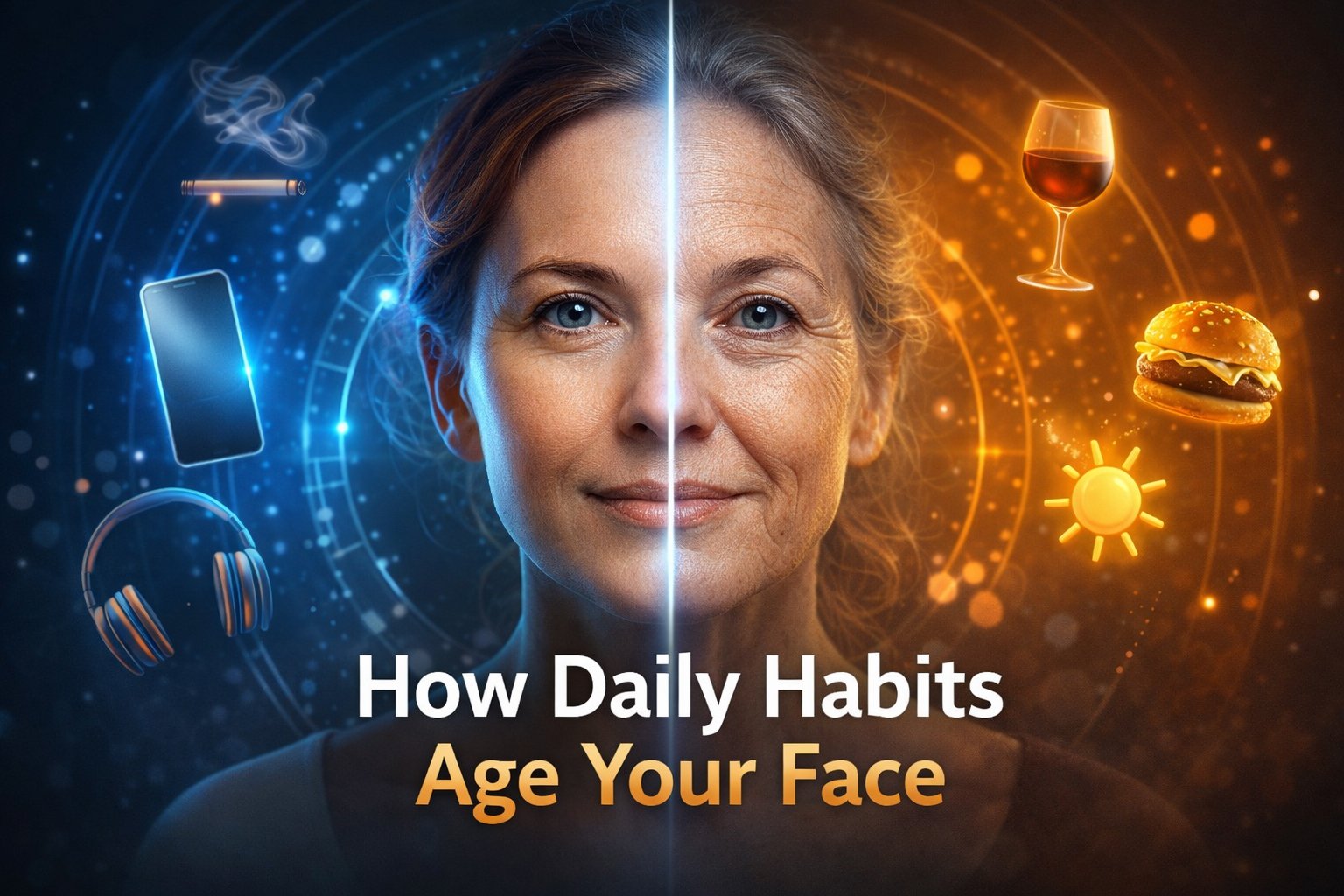
We all have habits that we know aren’t perfect for our health. Maybe it is staying up too late, skipping the gym, or forgetting to put on sunscreen before running errands. Most people know these things affect how they feel on the inside. However, fewer people realize just how much these small choices show up on the outside.
A new interactive tool is now available to help people understand the real cost of their daily routine. It is called the Skin Age Calculator. Developed by Contour Clinics, this digital tool offers a reality check for anyone wondering why they might look older than they actually are.
How the Calculator Works
The Skin Age Calculator is designed to estimate your “true” skin age. It does not just look at the date on your birth certificate. Instead, it analyzes a variety of lifestyle factors that play a major role in physical appearance.
The tool uses data based on dermatological research. It asks users to input information about their everyday behaviors. This includes details about sun exposure, diet, exercise habits, alcohol consumption, and sleep patterns. It also looks at your current skincare routine.
Once the data is processed, the calculator compares your lifestyle against your actual age. The result is often a confronting snapshot. It shows how modern living and seemingly small habits can quietly add years to your face over time.
The First Signs of Aging Are Not What You Think
One of the biggest revelations from the experts behind the tool is that most people are looking for the wrong signs. Dr. Josh Wall, the founder of Contour Clinics and a medical doctor, explains that there is a common myth about aging.
Most people believe that wrinkles are the first red flag. They wait until they see deep lines before they start worrying about their skin. According to Dr. Wall, this is a mistake. He notes that the earliest visible changes actually happen much sooner.
For many people, the process begins in their late 20s or early 30s. The first sign is not a wrinkle. It is a loss of radiance. The skin tone becomes uneven. This happens because the body’s production of collagen begins to drop. At the same time, the rate at which skin cells turn over and renew themselves slows down.
Fine lines do appear eventually. However, Dr. Wall points out that dullness and pigmentation spots are usually the very first giveaways that the skin is aging.
The Number One Enemy of Youthful Skin
The calculator takes many factors into account, including genetics. However, Dr. Wall is clear that one factor does more damage than anything else. That factor is the sun.
Sun exposure is identified as the single biggest contributor to visible skin aging. This is not just about getting a sunburn at the beach. It is about the daily exposure that happens over a lifetime.
Dr. Wall explains the science simply. UV rays from the sun penetrate the skin. Once inside, they damage the collagen and elastin fibers. These fibers are what keep skin tight and bouncy. When they are damaged, the result is wrinkles, sagging skin, and dark pigmentation spots.
While you cannot change your genetics, you can change your habits. Protecting your skin from UV rays is the most effective way to slow down the clock. This serves as a reminder that wearing sunscreen every day is about long-term health, not just summer vacation.
Can You Reverse the Damage?
The calculator also addresses the question everyone asks: Can you turn back the clock? There is a lot of marketing out there that promises miracles, but Dr. Wall advises caution.
He highlights a common misconception regarding collagen. Many people buy collagen drinks, supplements, or creams hoping they will “reverse” aging. In reality, this is often a waste of money. Dr. Wall notes that most collagen molecules in creams are too large to actually penetrate the skin barrier. Oral supplements may offer some modest benefits, but they are not a cure-all.
If you want real results, you have to use products that force your skin to work harder. Dr. Wall suggests treatments that stimulate your body’s own collagen production. This includes using retinoids, getting chemical peels, or utilizing energy-based cosmetic devices. When you combine these proven methods with sunscreen and antioxidants, you can significantly improve the look of aging skin.
Building a Routine That Works
The data driving the Skin Age Calculator proves that prevention is better than a cure. Adopting healthy habits now will pay off later.
Dr. Wall lists daily sunscreen use as the most powerful habit you can adopt. Beyond that, a healthy lifestyle supports your face. A diet rich in antioxidants, getting regular exercise, prioritizing quality sleep, and managing stress all contribute to a healthier complexion.
When it comes to products, you can protect and repair your skin by adding evidence-based ingredients. Retinoids and Vitamin C are two of the best tools for this job.
Keep It Simple
Despite all the science involved, Dr. Wall insists that you do not need a cabinet full of expensive products. An effective skincare routine can be very simple.
He outlines a basic plan that anyone can follow:
- In the morning: Use a gentle cleanser. Follow it with an antioxidant serum, such as Vitamin C. Finish with a broad-spectrum SPF 30 or higher.
- At night: Focus on repair. Use a retinoid product and a nourishing moisturizer.
The key to success is consistency. These simple steps build resilience in the skin. Over time, they maintain a healthier, younger look.
Conclusion
For those who are curious about how their Friday night drinks or lack of sleep are affecting their looks, the Skin Age Calculator offers a useful check-in. It provides a blunt assessment of how daily choices impact biology.
The takeaway is clear: your skin is keeping score of your habits. However, by understanding the real causes of aging—like sun exposure and collagen loss—you can make changes today that will help you look your best for years to come.