
Introduction: The Revolutionary Discovery That Changed Heart Health Science Forever
Modern medicine continuously searches for breakthrough treatments and dietary solutions to combat cardiovascular disease. However, what if the most powerful medicine for your heart isn’t found in any prescription bottle or superfood, but rather in something as simple as genuine human connection? A remarkable laboratory discovery from the 1980s reveals how Affection and Heart Health connect in ways that challenge everything we thought we knew about nutrition and disease prevention.
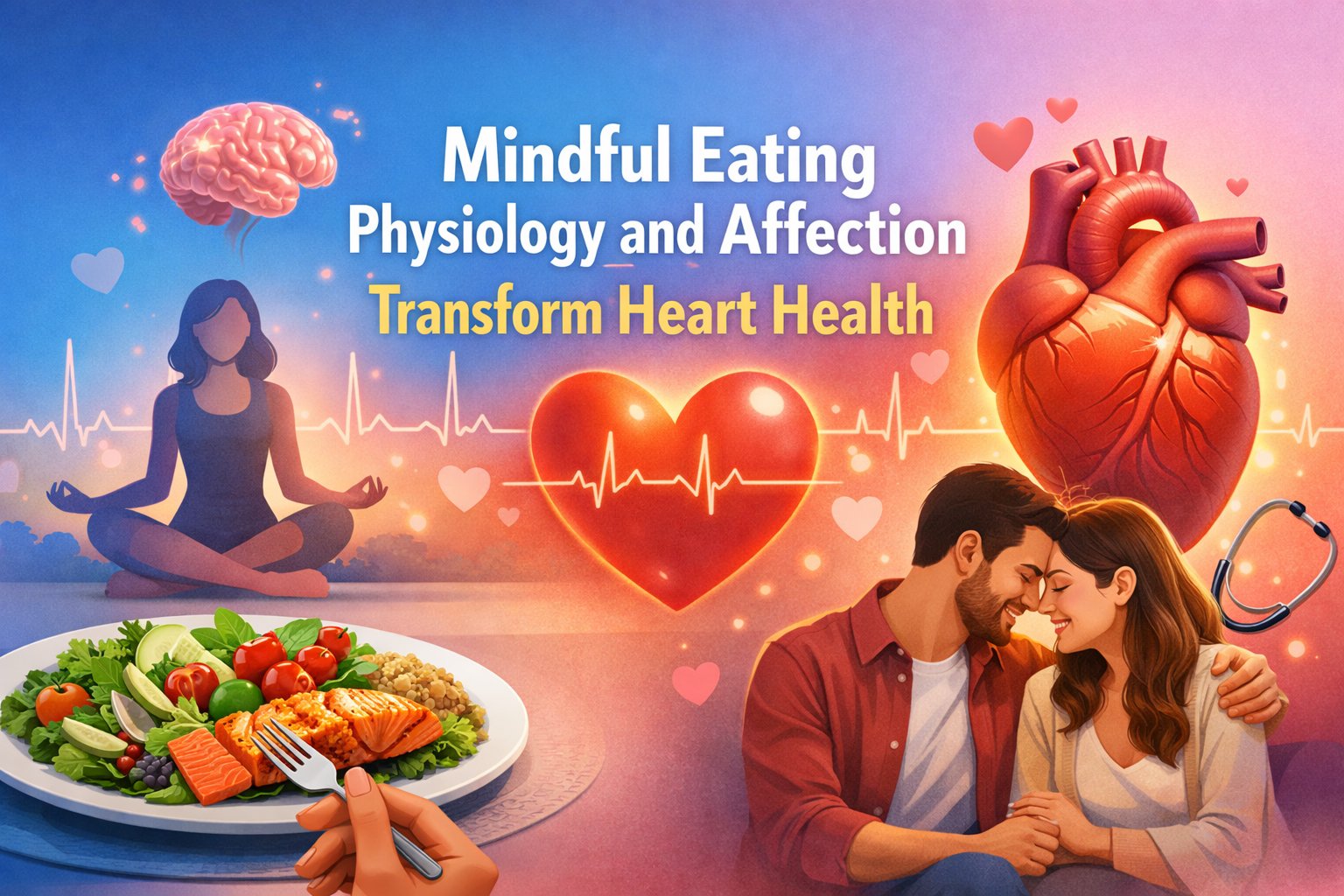
This extraordinary research demonstrates that Mindful Eating Physiology extends far beyond the simple act of consuming food—it encompasses the emotional and social environment surrounding our meals, fundamentally altering how our bodies process nutrients and respond to stress.
The Accidental Discovery That Revolutionized Heart Disease Research
Setting the Stage: A Standard Heart Disease Experiment Goes Wrong
In 1980, cardiovascular researchers at the University of Kentucky embarked on what appeared to be a routine atherosclerosis study. Their objective was straightforward: examine how high-cholesterol diets accelerate plaque buildup in arteries using a well-established rabbit model. Scientists had perfected this experimental protocol through countless previous studies, consistently producing predictable results.
The research team fed laboratory rabbits a specially formulated “heart attack diet”—a high-cholesterol regimen designed to rapidly induce arterial plaque formation. Every variable was carefully controlled: diet composition, cholesterol levels, environmental conditions, and feeding schedules. The expectation was unambiguous: all rabbits would develop severe cardiovascular disease within the study period.
The Mysterious Results That Defied Scientific Explanation
When researchers examined the arterial tissue samples, they discovered something that challenged decades of established cardiovascular research. One group of rabbits displayed dramatically healthier arteries, with approximately 60% less plaque formation compared to their laboratory counterparts.
This finding sparked immediate concern about experimental integrity. Had measurement errors occurred? Was the high-cholesterol diet improperly prepared or administered? Did genetic variations between rabbit groups influence the outcomes?
Comprehensive data analysis revealed identical results across all measured parameters:
- Blood cholesterol levels matched perfectly between groups
- Blood pressure readings showed no significant variations
- Heart rate measurements remained consistent
- Genetic markers indicated no meaningful differences
The rabbits appeared biologically identical on paper, yet their cardiovascular health outcomes told a completely different story.
Uncovering the Hidden Variable: The Power of Affection and Heart Health
The Laboratory Investigation That Changed Everything
Determined to solve this scientific mystery, researchers expanded their investigation beyond traditional biomarkers and laboratory protocols. They meticulously examined every aspect of the experimental environment, searching for any overlooked variables that might explain these contradictory results.
The breakthrough came from an unexpected source: direct observation of daily laboratory procedures. The investigation revealed that one particular lab assistant had been treating her assigned rabbit group differently from standard protocol.
While maintaining all required feeding schedules and cage maintenance, this assistant had developed an emotional connection with her rabbits. She consistently:
- Held and gently petted the animals during feeding
- Spoke to them in soothing tones
- Provided consistent physical affection and emotional comfort
- Created a nurturing, stress-free feeding environment
These were precisely the rabbits that demonstrated remarkable resistance to cardiovascular disease despite consuming the identical heart-damaging diet.
Understanding Mindful Eating Physiology: How Emotional States Transform Nutrition
The Neurological Foundation of Digestive Health
This groundbreaking research illuminates the profound connection between emotional state and Mindful Eating Physiology. The rabbits weren’t simply consuming cholesterol pellets in isolation—they were being nourished in an environment of safety, comfort, and genuine care. Their nervous systems operated in a fundamentally different physiological mode during feeding.
The autonomic nervous system plays a crucial role in digestion and metabolism. When animals (including humans) eat in a stressed, threatened state, the sympathetic nervous system dominates, leading to:
- Elevated cortisol and stress hormone production
- Impaired digestive enzyme secretion
- Reduced nutrient absorption efficiency
- Increased inflammatory responses
- Compromised blood sugar regulation
Conversely, when eating occurs in a calm, nurturing environment, the parasympathetic nervous system activates, promoting:
- Optimal digestive function
- Enhanced nutrient utilization
- Improved hormonal balance
- Reduced inflammation
- Better cardiovascular health markers
Practical Applications: How Emotional Context Changes Food’s Impact
Consider how this research applies to human eating experiences. The physiological impact of consuming any food—whether a piece of chocolate cake or a bowl of vegetables—varies dramatically depending on the emotional and social context.
Stress-Based Eating Scenarios:
- Consuming food while feeling guilty, ashamed, or anxious
- Eating hurriedly during stressful work situations
- Mindless consumption while distracted or emotionally upset
- Restrictive eating patterns driven by fear and self-criticism
In these situations, stress hormones flood the system, compromising digestion and amplifying any negative metabolic effects of the food consumed.
Mindful, Joyful Eating Scenarios:
- Sharing meals with loved ones in a relaxed atmosphere
- Eating slowly and mindfully, savoring flavors and textures
- Celebrating special occasions with gratitude and presence
- Consuming food without guilt, shame, or emotional distress
These positive emotional states activate healing physiology that can actually counteract some negative dietary effects while maximizing nutritional benefits.
The Science Behind Affection and Heart Health: Beyond Traditional Risk Factors
Cardiovascular Protection Through Emotional Wellness
The rabbit study demonstrates that Affection and Heart Health share a measurable, biological connection that extends far beyond psychological comfort. Physical touch, emotional support, and nurturing relationships trigger specific physiological responses that directly protect cardiovascular function.
Research has identified several mechanisms through which affection and positive emotional states benefit heart health:
Hormonal Optimization:
- Increased oxytocin production, which reduces blood pressure and inflammation
- Balanced cortisol levels, preventing chronic stress damage
- Improved insulin sensitivity and glucose metabolism
- Enhanced production of protective cardiovascular hormones
Nervous System Regulation:
- Activation of the vagus nerve, promoting heart rate variability
- Reduced sympathetic nervous system overactivity
- Improved stress resilience and recovery
- Enhanced parasympathetic function during eating
Inflammatory Response Modulation:
- Decreased production of inflammatory cytokines
- Reduced chronic inflammation markers
- Improved immune system function
- Enhanced cellular repair mechanisms
The Contextual Nature of Nutrition
This research challenges the reductionist approach to nutrition that focuses solely on macronutrients, calories, and chemical composition. Mindful Eating Physiology encompasses the entire eating experience, including:
- Social environment and relationships
- Emotional state during food consumption
- Stress levels and nervous system activation
- Cultural and psychological food associations
- Mindfulness and presence during meals
The rabbit study proves that identical foods can produce dramatically different health outcomes based on these contextual factors. This doesn’t diminish the importance of food quality, but rather expands our understanding of what constitutes optimal nutrition.
Implementing Mindful Eating Physiology in Daily Life
Practical Strategies for Heart-Healthy Eating
Understanding the connection between Affection and Heart Health empowers individuals to transform their relationship with food and eating. Here are evidence-based strategies for implementing Mindful Eating Physiology principles:
Create Nurturing Eating Environments:
- Eliminate distractions like phones, television, or stressful conversations during meals
- Set aside adequate time for relaxed, unhurried eating
- Share meals with loved ones whenever possible
- Practice gratitude before eating to shift into a positive emotional state
Cultivate Emotional Awareness:
- Notice and acknowledge feelings before, during, and after eating
- Practice self-compassion rather than food-related guilt or shame
- Develop mindfulness skills to stay present during meals
- Address underlying stress and emotional issues that affect eating patterns
Prioritize Social Connection:
- Schedule regular family meals or dining experiences with friends
- Participate in community food activities like potlucks or cooking classes
- Practice acts of service by preparing meals for others
- Create positive food memories and traditions
Develop Stress Management Skills:
- Implement relaxation techniques before eating
- Practice deep breathing or brief meditation before meals
- Address chronic stress through appropriate interventions
- Seek support for emotional eating patterns when needed
The Broader Implications: Redefining Heart Health and Wellness
Moving Beyond Dietary Restrictions to Holistic Health
The revolutionary findings about Affection and Heart Health suggest that our approach to cardiovascular wellness requires fundamental restructuring. Rather than focusing exclusively on dietary restrictions, calorie counting, and food avoidance, optimal heart health emerges from:
Integrated Lifestyle Approaches:
- Combining quality nutrition with positive eating experiences
- Prioritizing relationships and social connections
- Managing stress through multiple modalities
- Addressing emotional and mental health needs
- Creating supportive, nurturing environments
Personalized Wellness Strategies:
- Recognizing individual responses to different foods and eating contexts
- Developing sustainable, enjoyable eating patterns
- Balancing structure with flexibility and self-compassion
- Focusing on overall well-being rather than perfectionist approaches
The Future of Nutritional Science
This research opens new avenues for understanding how Mindful Eating Physiology influences long-term health outcomes. Future investigations may explore:
- Specific mechanisms linking emotional states to metabolic function
- Optimal environments and practices for therapeutic nutrition
- Integration of psychological support with dietary interventions
- Cultural and social factors that promote healthy eating behaviors
Conclusion: Transforming Your Relationship with Food and Heart Health
The remarkable rabbit study teaches us that love, connection, and mindful presence aren’t merely emotional luxuries—they represent powerful physiological interventions that measurably protect cardiovascular health. Affection and Heart Health connect through complex biological pathways that science is only beginning to understand.
Mindful Eating Physiology reminds us that we are not mechanical processing units for calories and nutrients. We are complex, integrated beings whose biology responds continuously to emotional states, social connections, and environmental contexts. How we eat matters as much as what we eat because our nervous system creates the foundation for every physiological process that follows.
The next time you sit down for a meal, remember the protected rabbits. Notice your emotional state. Practice presence, gratitude, and connection. Allow yourself to experience joy and satisfaction without guilt or shame. Your heart will thank you for it.
Perhaps the most powerful medicine for cardiovascular health has been available all along—in the simple acts of love, connection, and mindful presence that make us fundamentally human.